If you want your Portland home to command serious attention, a premium launch cannot be improvised. In a market where buyers have options and homes can sit if they miss the mark, the details matter from day one. The good news is that with the right preparation, pricing, and presentation, you can bring your home to market with more confidence and a stronger strategy. Let’s dive in.
Why premium strategy matters in Portland
Portland’s spring 2026 market has been relatively selective. There were 187 homes for sale, the median listing price was $618,250, and the median time on market was 49 days. Realtor.com also described Portland as a buyer’s market in March 2026, which means sellers benefit from a more disciplined approach.
For higher-value homes, that context matters even more. A beautiful property alone does not guarantee a strong result. In a market like this, pricing, condition, and presentation often shape whether buyers engage quickly or move on.
At the county level, Cumberland County’s February through April 2026 median sale price was $590,000. That does not define the value of your individual home, but it does reinforce the importance of positioning your property carefully against current competition. A premium listing strategy is really about helping your home stand apart for the right reasons.
Start with preparation, not photos
Many sellers think the process begins with photography or a coming-soon date. In reality, the first step is getting the home and the paperwork ready before the listing goes live. That early work often protects your leverage later.
A strong pre-listing plan usually starts with your disclosure packet, any needed inspections, and a realistic review of condition. In Maine, sellers who are not exempt must provide a property disclosure statement that covers items such as water supply, heating system, waste disposal system, hazardous materials, known defects, access, flood hazard, and shoreland-zoning issues.
The Maine Attorney General says these disclosures must be made no later than when an offer is received. If they arrive later, the buyer may terminate or withdraw for 72 hours. That is one reason the pre-listing period is so valuable. It gives you time to uncover issues, make decisions, and avoid avoidable surprises during negotiations.
Maine disclosures deserve early attention
For Portland sellers, disclosure prep is not just a paperwork task. It is part of the listing strategy. When you understand what must be disclosed and address it before launch, you create a cleaner path to contract.
Maine law specifically names asbestos, lead-based paint in pre-1978 homes, radon, underground oil storage tanks, and methamphetamine as hazardous materials that must be disclosed. If your home is older, this deserves special care. Maine has one of the oldest housing stocks in the country, with 24 percent of homes built before 1939 and half built before 1980.
That does not mean your home has a major problem. It does mean that inspection-first preparation can be especially useful in this market. Older homes often benefit from a more thorough pre-listing review because it helps you decide what to repair, what to disclose, and how to price with clarity.
Put radon on the checklist early
Radon is one of the most important items to address in advance. Maine CDC says that when a home is being sold, testing and mitigation must be done by a registered radon service provider. The owner or occupant cannot self-test or self-mitigate for a sale transaction.
If radon could be a factor, it is better to know that before buyers begin asking questions. Early testing gives you time to respond thoughtfully and keep the transaction moving. In a premium launch, this is exactly the kind of detail that supports confidence.
Focus repairs where buyers notice them
A premium listing strategy does not mean renovating everything. In most cases, the better approach is to focus on the updates and repairs that shape first impressions and reduce buyer hesitation.
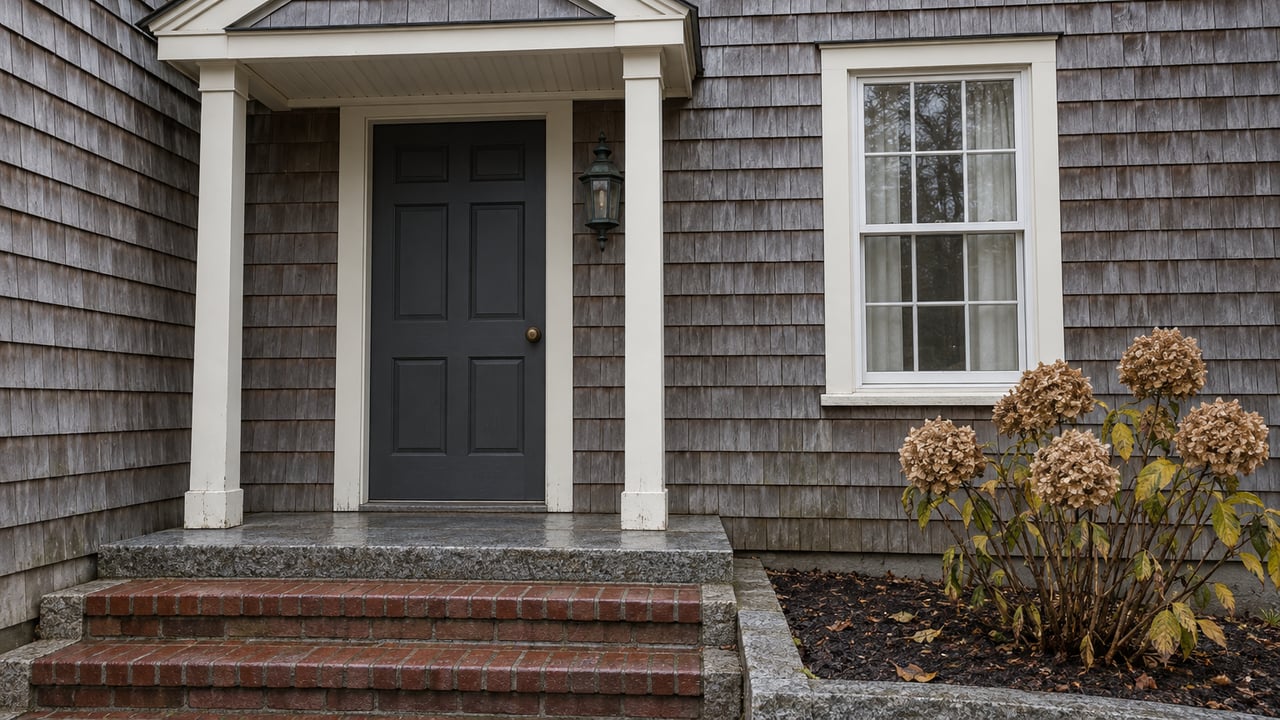
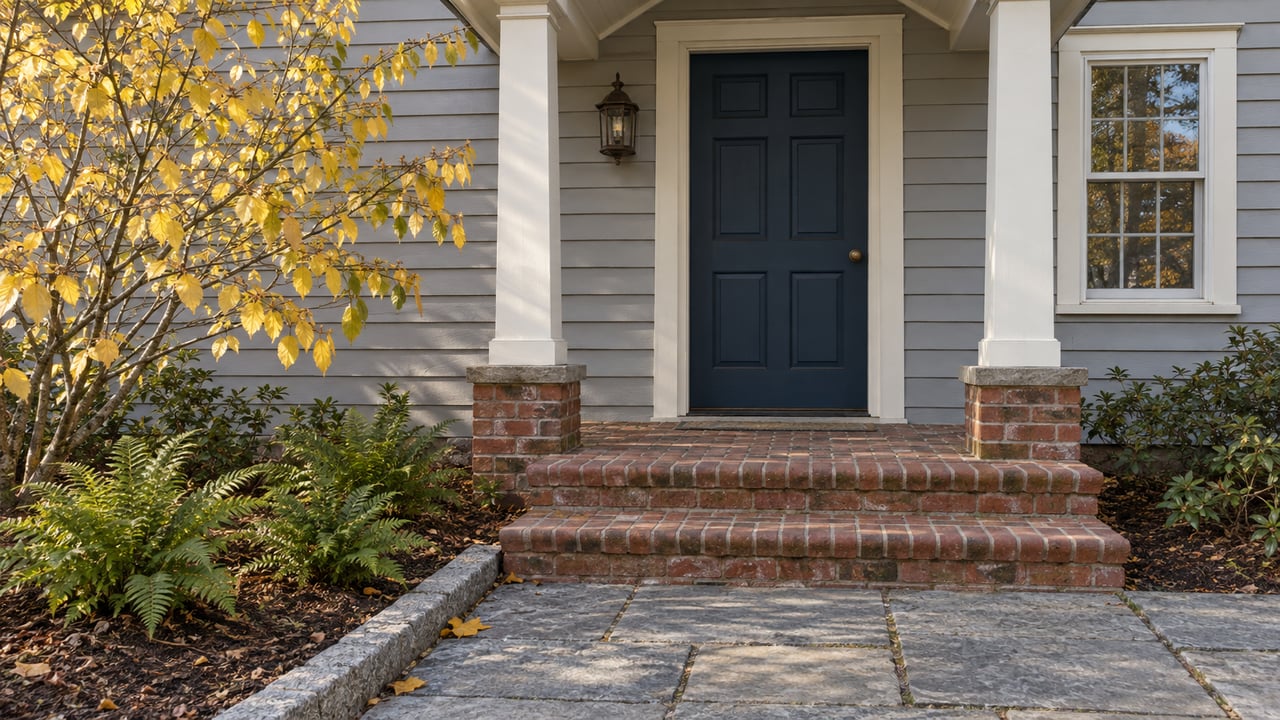
The research points toward prioritizing buyer-visible condition issues, curb appeal, and the spaces that set the tone for the showing. That often means addressing deferred maintenance, simplifying crowded rooms, and making sure the home feels clean, cared for, and ready. Buyers do not need perfection, but they do need clarity and consistency.
NAR’s 2025 staging research also found that decluttering, cleaning, and curb appeal are among the most common recommendations. That lines up with what many sellers overlook. The goal is not to erase personality. The goal is to help buyers see the home’s scale, light, and livability without distraction.
Stage the rooms that matter most
Staging can help, especially when it is used strategically. According to NAR’s 2025 Profile of Home Staging, 83 percent of buyers’ agents said staging makes it easier for buyers to visualize a property as a future home. Nearly half of sellers’ agents also said staging reduced time on market.
Not every room needs the same level of attention. The most commonly staged rooms were the living room, primary bedroom, dining room, and kitchen. Those spaces often shape both the online impression and the emotional tone of an in-person tour.
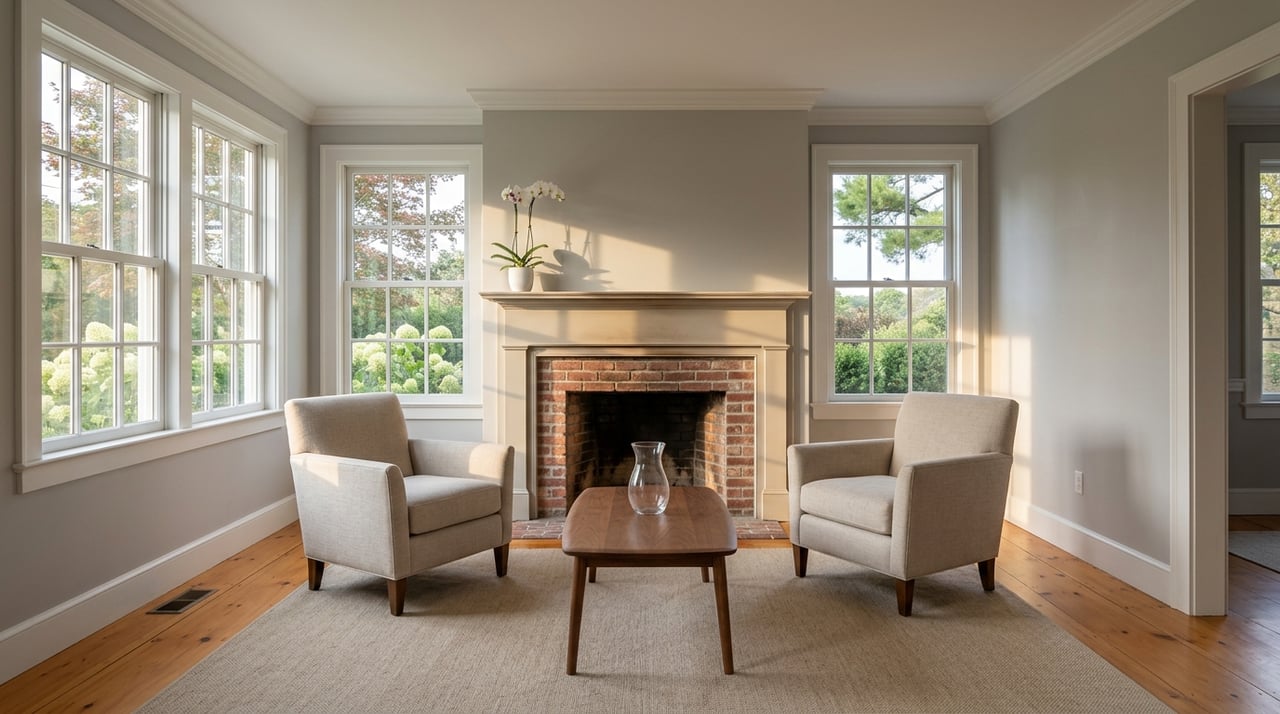
For a Portland home with premium aspirations, staging should feel clean, intentional, and true to the property. You want the presentation to support the architecture, natural light, and flow of the home, not compete with it. A polished but grounded look tends to translate well in both photography and showings.
Treat listing media as part of pricing power
In today’s market, your online debut is often the first showing. That means your listing media is not just marketing support. It is part of the value story.
NAR reports that 81 percent of buyers rated listing photos as the most useful feature in their online search. Its staging research also found that photos were highly important to 73 percent of buyers’ agents, while videos and virtual tours remained meaningful supporting tools.
For a premium launch, every image should have a purpose. Buyers who like what they see online expect to encounter that same home in person, so the home must be photo-ready before the shoot. That usually means decluttering, deep cleaning, finishing minor touch-ups, and planning image order so the strongest features appear first.
What buyers should see first
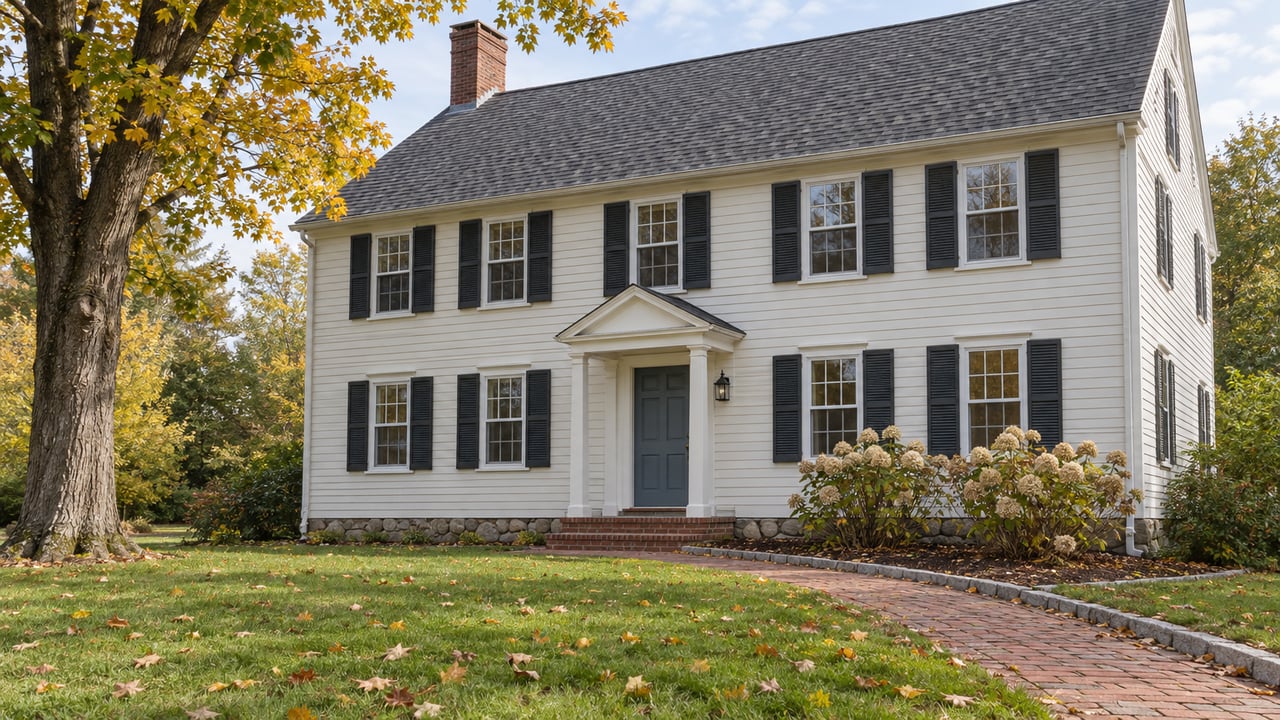
The opening set of photos should quickly answer a simple question: why this home? In many cases, that means highlighting the best exterior approach, the main living area, the kitchen, and any standout design elements or site features.
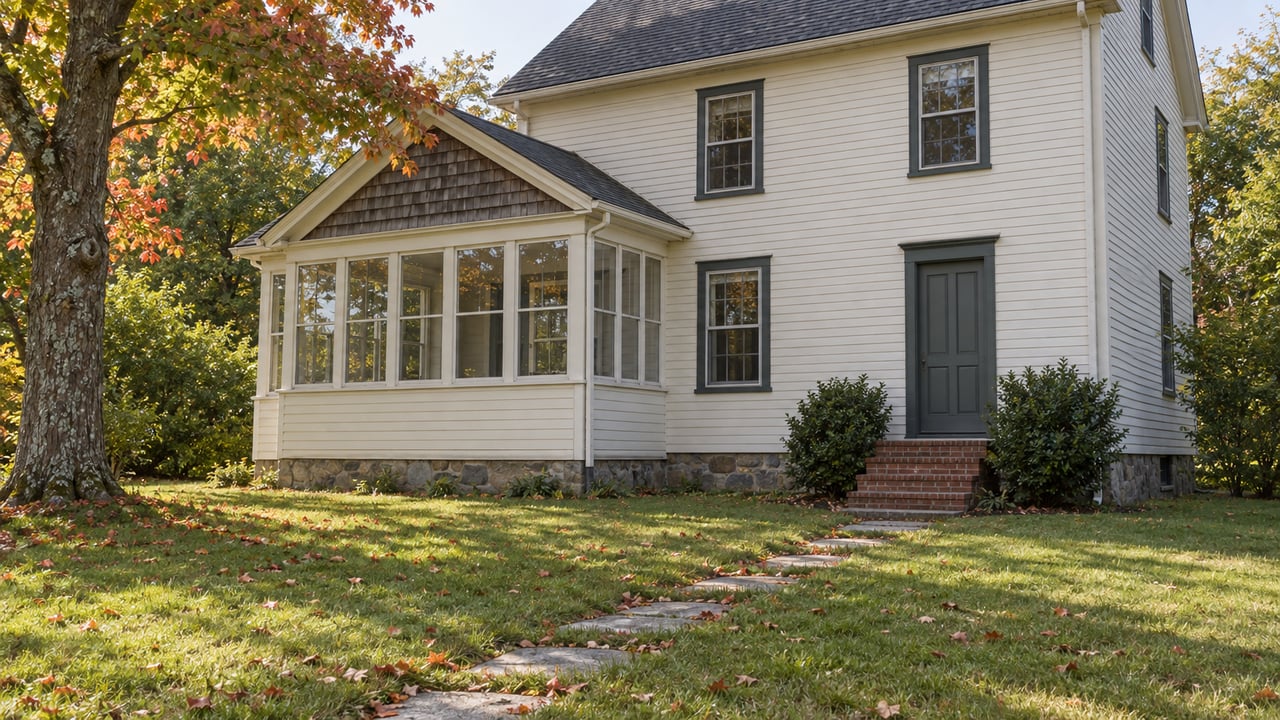
If your Portland home offers original architectural character, strong natural light, or a particularly appealing indoor-outdoor connection, those details should be captured clearly and honestly. Premium marketing works best when it sharpens what is already compelling. It should never create a mismatch between the online experience and the in-person showing.
Price with discipline from day one
Even exceptional marketing cannot fully overcome weak pricing. In a selective market, pricing in line with current conditions is still the clearest path to a successful sale.
Realtor.com’s timing research points out that homes priced appropriately from the start tend to have better outcomes. It also notes that homes that linger can invite skepticism and additional price reductions. That is especially important in the first one to two weeks, when your listing is freshest and buyer attention is highest.
This is where a premium strategy becomes more than staging and photos. It is the coordination of pricing, disclosures, prep work, and launch timing into one clear plan. If buyers see value, condition, and professionalism all at once, your home enters the market from a stronger position.
Timing still matters, but readiness matters more
Sellers often ask whether there is a perfect week to list. Realtor.com’s 2026 best-time-to-sell analysis identified April 12 through 18 as the strongest national listing window, with historically more views, faster sales, and higher median listing prices than January. At the same time, that same research cautioned that local economy and mortgage rates can outweigh seasonal patterns.
For Portland sellers, the practical lesson is simple. The best launch date is the one you are actually ready for. If your disclosures, repairs, staging, photography, pricing, and showing logistics are all aligned before you go live, you give yourself a better chance to capture early momentum.
A rushed launch often costs more than a delayed one. If you list before the home is fully prepared, buyers may form opinions you cannot easily reset. In a market with choices, first impressions are hard to win back.
Coordinate the launch like a campaign
A premium listing should feel coordinated from the start. That includes the MLS entry, the media package, pricing, showing schedule, and communication plan all being ready on day one.
That level of coordination matters because buyers value timely communication. NAR found that buyers most value agents who personally call them about activities, send property information by text, and share updates as soon as a property is listed, repriced, or under contract.
For you as a seller, that means the launch should be treated like a campaign, not a checklist. Every moving part should support the same goal: making it easy for qualified buyers to understand the value of your home and act with confidence.
A practical premium launch checklist
If you are preparing to sell a Portland home, this is a smart order of operations:
- Assemble the disclosure packet early
- Arrange any needed radon or other inspections
- Review condition issues and decide which repairs to prioritize
- Declutter, deep clean, and improve curb appeal
- Stage key rooms such as the living room, primary bedroom, dining room, and kitchen
- Prepare professional photography and any supporting video or virtual tour assets
- Set pricing based on current Portland competition and market conditions
- Finalize showing logistics and launch communications before the listing goes live
This sequence helps reduce surprises and keeps the market debut focused and polished. It also supports the kind of turnkey readiness that many premium buyers notice immediately.
A well-executed listing launch is rarely about one dramatic move. More often, it is the result of many thoughtful decisions made in the right order. If you are preparing to sell in Portland, a tailored strategy can help your home enter the market with stronger positioning, cleaner negotiations, and a more confident story from the start. When you are ready for a high-touch plan built around preparation, presentation, and precise execution, connect with Elise Kiely.
FAQs
What should happen first when selling a Portland home?
- Start with the disclosure packet, arrange any needed radon or other inspections, and then decide which repairs, staging tasks, and photos should happen before launch.
What does Maine require sellers to disclose for a Portland home sale?
- Maine’s property disclosure requirements may include water supply, heating system, waste disposal system, hazardous materials, known defects, access, flood hazard, and shoreland-zoning issues, among other applicable items.
Should you repair every issue before listing a Portland home?
- No. It is usually more effective to prioritize buyer-visible condition issues, curb appeal, and the rooms that shape first impressions rather than attempt a full renovation.
Does staging really help a Portland home sell?
- Staging can help buyers visualize the home more easily, and research shows it may reduce time on market and sometimes support stronger offers.
Can strong marketing overcome weak pricing for a Portland listing?
- Only partly. Professional media and presentation matter, but pricing in line with current market conditions remains one of the most important factors in a successful launch.