If you want a premium result in Portland, it is not enough to simply put your home on the market and hope buyers see the value. In a city where pricing signals are mixed, homes can still attract multiple offers, yet sale-to-list ratios and days on market show buyers are paying close attention. If you are preparing to sell, the right plan can help you present your home with confidence, reduce avoidable friction, and support a stronger outcome. Let’s dive in.
Why preparation matters in Portland
Portland remains a high-value market, but it is also a value-sensitive one. Recent data shows homes selling in around 38 days on average, while other listing-based data points to more price negotiation and longer market time than a year ago. The practical takeaway is simple: premium pricing depends on premium preparation.
That matters even more because Portland’s housing stock is older than many markets. About 53.1% of the city’s housing units were built in 1949 or earlier, which means buyers often pay close attention to visible condition, maintenance history, and system age. When your home looks well cared for and the paperwork is organized, buyers have fewer reasons to hesitate.
Match your prep to your micro-market
Not every Portland home should be prepared the same way. Price points can vary sharply across the city, with examples ranging from about $485,000 in Riverton to roughly $702,000 in the West End, about $815,000 downtown, and about $912,000 in the East End. A premium sale strategy should reflect your property’s likely buyer, price bracket, and neighborhood context.
That does not always mean a major renovation. In many cases, the best return comes from targeted updates, thoughtful staging, and a clean, polished launch. The goal is to make your home feel move-in ready, well maintained, and easy to understand.
Start with decluttering and deep cleaning
If you only do a few things before listing, start here. Industry survey data shows the most common seller-prep recommendations are decluttering, a full-home cleaning, and improving curb appeal. These steps are relatively straightforward, but they have an outsized effect on first impressions.
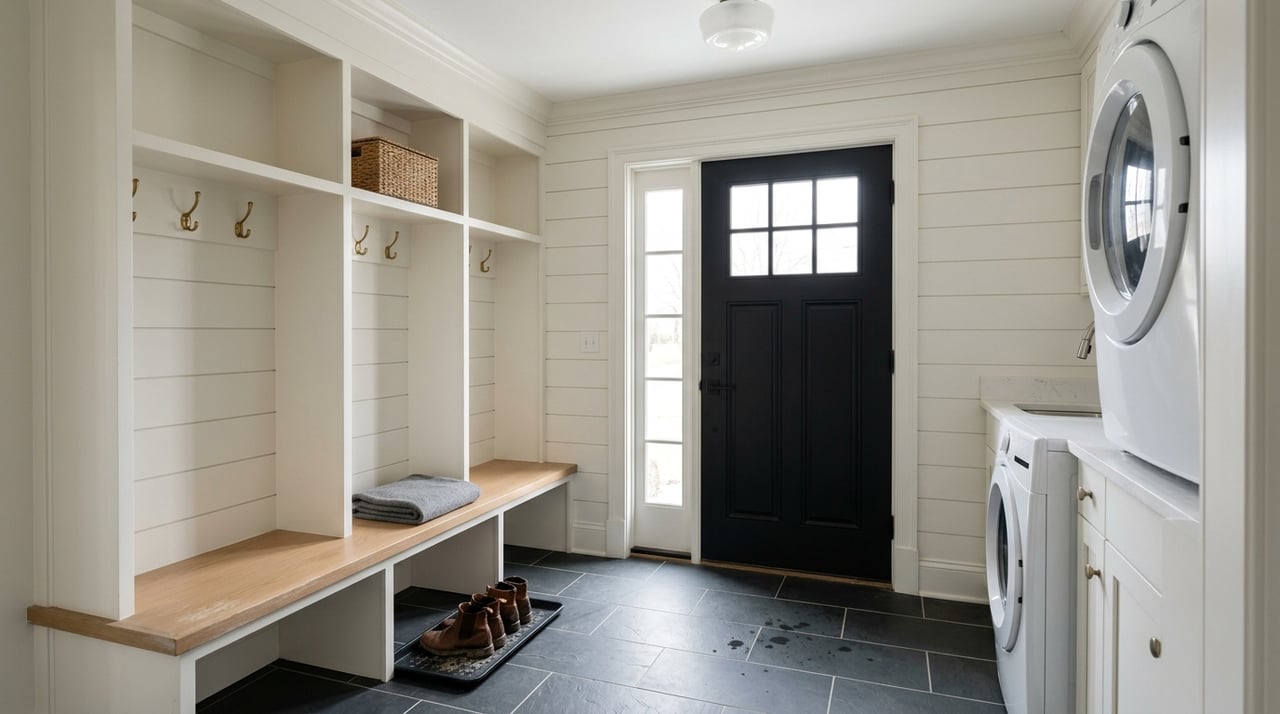
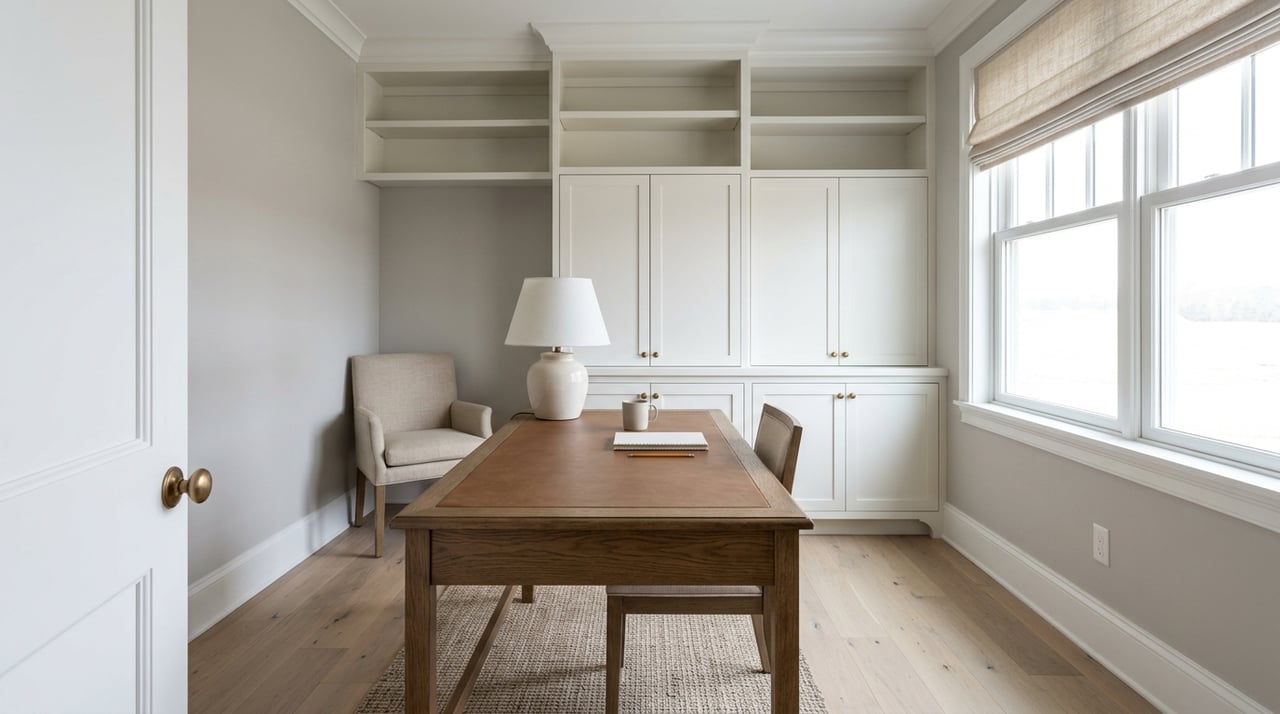
Begin with a whole-house declutter and depersonalization pass. Remove excess furniture, clear countertops, simplify shelves, and pack away highly personal items so buyers can focus on the space itself. In a premium sale, visual calm helps rooms feel larger, brighter, and more refined.
After that, deep clean every room before staging or photography. Pay close attention to windows, carpets, lighting fixtures, walls, kitchens, and baths. Cleanliness signals care, and care supports value.
Focus on the rooms buyers notice first
You do not need to stage every square foot of your home with the same intensity. According to the 2025 staging survey, the rooms buyers notice most are the living room, primary bedroom, and kitchen. Dining rooms and curb appeal areas also matter, especially when buyers are deciding whether the home feels elevated and cohesive.
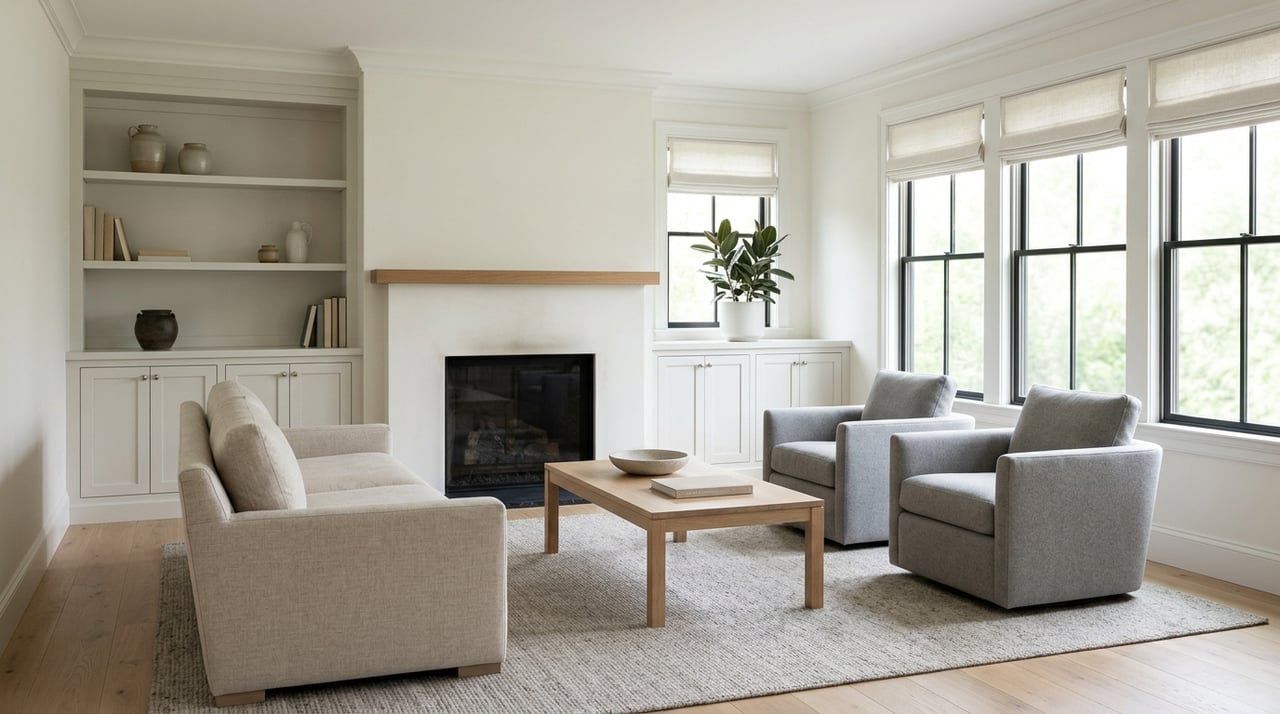
This is where thoughtful editing makes a difference. In the living room, create an easy conversation layout and keep accessories minimal. In the primary bedroom, aim for a restful, spacious feel with simple bedding, clean surfaces, and balanced lighting.
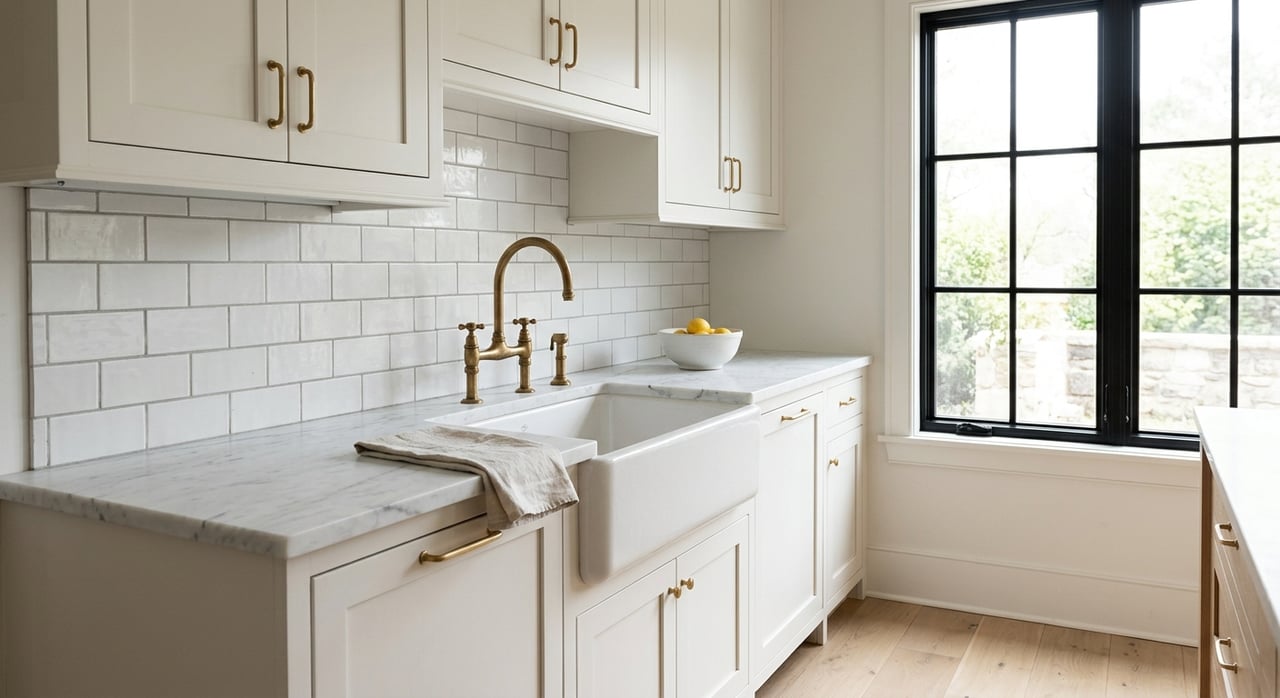
In the kitchen, clear counters, reduce visual clutter, and highlight workspace and storage. If your dining area is part of the flow, give it a defined purpose so buyers can picture how the home lives day to day. Outside, make sure the approach to the front door feels clean, maintained, and inviting.
Use real staging and professional visuals
For a premium Portland sale, staging and marketing assets should work together. Survey data shows buyers’ agents and sellers’ agents both place high importance on listing photos, and many also value physical staging, video, and virtual tours. The strongest sequence is to stage first, then photograph and film the home at its best.
That order matters because staged homes are easier for buyers to visualize. In fact, 83% of buyers’ agents said staging makes it easier for buyers to see a home as a future residence. For higher-value homes especially, strong visuals shape whether buyers book a showing at all.
Physical staging should lead the strategy, with virtual staging used only as a supplement when needed. In a market where buyers are comparing condition and value carefully, polished but believable presentation tends to outperform images that feel overly edited or uncertain.
Make strategic updates, not random upgrades
Before you spend heavily, separate cosmetic refreshes from major remodeling. Recent remodeling guidance points to painting the entire home, painting one room, and new roofing among the projects most often recommended before listing. Kitchen upgrades and bathroom improvements can matter too, but broad appeal usually comes from visible freshness and deferred-maintenance fixes before large-scale custom work.
For many Portland sellers, the best pre-sale investments are simple and disciplined. Fresh paint in key rooms, repaired trim, updated lighting, and a tidy exterior often do more for buyer confidence than expensive changes with narrow taste appeal. If a roof or another major component is nearing the end of its life, that can be worth evaluating because buyers tend to notice those larger-ticket items quickly.
Think in terms of friction reduction. A premium buyer is not just paying for square footage or location. They are also paying for ease, confidence, and the sense that the home has been responsibly prepared.
Consider a pre-listing inspection
A pre-listing inspection is not required for every home, but in Portland it can be especially useful. With an older housing stock, inspections may uncover structural concerns, dated electrical panels, plumbing issues, HVAC problems, drainage concerns, floor-joist issues, or safety items before a buyer’s inspector does. That gives you more control over timing and decision-making.
Not every seller needs this step. If your home is newer or key systems have been recently replaced, the extra layer may be less important. But if your home is older, has deferred maintenance, or includes systems near the end of their expected life, a pre-listing inspection can help you plan more strategically.
The value is not that you must repair every item. The value is that you can decide what materially affects marketability, what should be disclosed, and what may simply be reflected in pricing. It can also reduce the chance of a deal stalling after a buyer receives a negative inspection report.
Get ahead of Maine disclosures
Maine requires residential sellers to disclose known conditions related to water supply, heating, waste disposal, hazardous materials such as asbestos, lead paint, and radon, flood hazard area or flood events, shoreland-zoning legal proceedings, and other known defects. The disclosure statement is not a warranty, but it is an important part of a well-prepared sale.
In practice, that means your preparation should include more than cleaning and styling. It should also include document gathering and a clear understanding of known issues. If a pre-listing inspection uncovers a problem, that information may shape both your repair decisions and your disclosure obligations.
A well-organized file can help support buyer confidence. Before launch, gather your disclosure statement, inspection report if you obtain one, repair receipts, appliance manuals, warranties, and any relevant lead-related or historic-preservation documentation.
Be careful with older homes and exterior work
If your Portland home was built before 1978 and prep work will disturb painted surfaces, paid contractors should be certified and follow lead-safe work practices. This is an important detail for many Portland properties, given the age of the city’s housing stock. It is wise to confirm the age of the home and plan painting or surface work accordingly.
If your home is in a designated historic district or is a landmarked property, visible exterior or site changes may require historic-preservation review before work begins. That can include changes like repainting, replacing windows, altering lighting, or modifying facade details. If exterior improvements are part of your sale plan, check requirements early so your timeline stays intact.
These steps may feel administrative, but they are part of premium preparation. Buyers notice when a property has been handled carefully and professionally.
Fix the issues that create buyer anxiety
Small defects often create bigger emotional reactions than sellers expect. Leaks, loose fixtures, worn finishes, obvious exterior wear, and visible safety concerns can make buyers wonder what else they are not seeing. That uncertainty can affect both offers and negotiation strength.
Walk through your home with a critical eye before you list. Tighten what is loose, repair what is leaking, replace burned-out bulbs, and address the obvious deferred-maintenance items that may distract from the home’s strengths. In a premium sale, the aim is not perfection. It is confidence.
This is especially true in Portland, where older homes can offer great character but also raise questions about upkeep. When the condition feels coherent and well managed, buyers are better able to appreciate the architecture, setting, and lifestyle your home offers.
Plan your launch in the right order
The sequence of your prep matters. If you photograph too early, stage before cleaning, or start exterior work without checking approvals, you can create delays and extra cost. A clean launch plan keeps the process efficient and helps your home hit the market in its strongest form.
A practical Portland launch checklist looks like this:
- Declutter and depersonalize the whole house.
- Deep clean every room.
- Decide whether a pre-listing inspection makes sense.
- Repair high-visibility issues and key deferred maintenance.
- Confirm any lead-safe or historic-review requirements before work begins.
- Stage the priority rooms and curb appeal areas.
- Gather disclosures, receipts, manuals, warranties, and related documents.
- Schedule professional photography, video, and virtual tours after staging is complete.
When these steps are handled in the right order, your listing has a better chance to feel polished, credible, and worth the price you are asking.
Premium sales are built before day one
In Portland, a premium sale is rarely created by luck. It is created by aligning pricing, preparation, presentation, and documentation before the listing goes live. In a market where buyers are still active but increasingly selective, that discipline can help protect value and improve your negotiating position.
The good news is that you do not need to do everything. You need to do the right things for your home, your location within Portland, and your likely buyer. That is where an experienced, detail-oriented plan can make all the difference.
If you are thinking about selling and want a tailored strategy for preparing your Portland home for a premium launch, Elise Kiely can help you build a smart, polished plan from day one.
FAQs
What preparation matters most for a Portland home sale?
- For many Portland sellers, the highest-impact steps are decluttering, deep cleaning, improving curb appeal, staging the main living areas, and addressing visible maintenance issues before photography and showings.
Should you get a pre-listing inspection for an older Portland home?
- A pre-listing inspection can be especially helpful for older Portland homes, homes with deferred maintenance, or properties with aging systems because it helps you identify issues early and decide what to repair, disclose, or price into the listing.
What does Maine require sellers to disclose when selling a home?
- Maine requires sellers to disclose known conditions involving items such as water supply, heating, waste disposal, hazardous materials including asbestos, lead paint, and radon, flood hazard area or flood events, shoreland-zoning legal proceedings, and other known defects.
Do historic rules affect exterior updates on Portland homes?
- Yes, if your home is in a designated historic district or is landmarked, visible exterior or site changes may require historic-preservation review before work begins.
How should you stage a Portland home for a premium sale?
- Focus first on the living room, primary bedroom, kitchen, dining areas, and curb appeal, then use professional photography, video, and virtual tours after staging is complete so buyers see the home at its best online.
Is expensive remodeling necessary before listing a Portland home?
- Not usually. Many sellers benefit more from targeted updates like paint, repairs, cleaning, and maintenance work than from large remodeling projects, especially when the goal is to reduce buyer concerns and support a strong first impression.