If you want a second home on the Maine coast without stepping into a purely seasonal resort market, Yarmouth deserves a closer look. You may be searching for water access, a quieter pace, and a home that feels connected to a real town rather than a vacation strip. In Yarmouth, that balance is part of the appeal, and understanding how the coastal neighborhoods actually live can help you buy with more confidence. Let’s dive in.
Why Yarmouth fits second-home living
Yarmouth sits about 12 miles north of Portland, which gives you meaningful access to the broader metro area while still feeling tucked away. Town planning documents describe Yarmouth as largely residential, with 71% of land use in residential use, and note that the town has remained mostly intact as a village even after I-295 crossed the harbor.
That distinction matters if you want a second home that supports both retreat and routine. Yarmouth is not built around heavy visitor turnover. Instead, it offers a year-round community with a compact, walkable village center, established residential areas, and a coastal landscape that feels integrated into daily life.
For many second-home buyers, that creates a different ownership experience. You are not just buying proximity to the shore. You are buying into a town pattern that blends village character, neighborhood continuity, and access to Casco Bay.
Coastal areas to know
Cousins Island and Littlejohn Island
Yarmouth’s coastal edge includes two year-round island communities, Cousins Island and Littlejohn Island, both reached by bridge. The town also includes Moshier and Little Moshier, which have seasonal residential use, while Lanes Island is preserved and undeveloped for recreation.
For second-home buyers, Cousins Island and Littlejohn Island often represent the clearest expression of Yarmouth’s coastal lifestyle. These areas offer water-oriented living within a residential setting, not a commercial waterfront district. The fact that the Cousins Island Bridge was built in 1955 to support year-round living helps explain why these neighborhoods feel rooted and established today.
Lower Village and Upper Village
Yarmouth Village also plays an important role in the second-home conversation. Historically, the Lower Village developed around shipbuilding and the mouth of the Royal River, while the Upper Village grew inland around Main Street and the former depot.
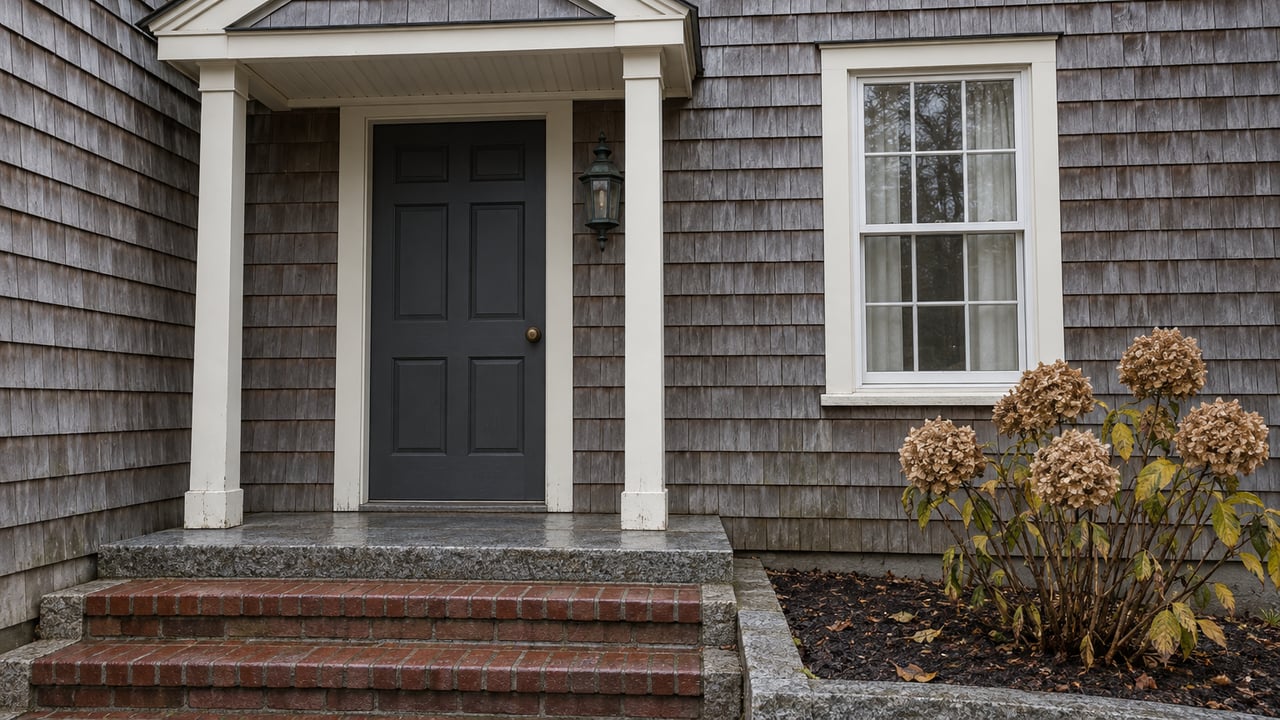
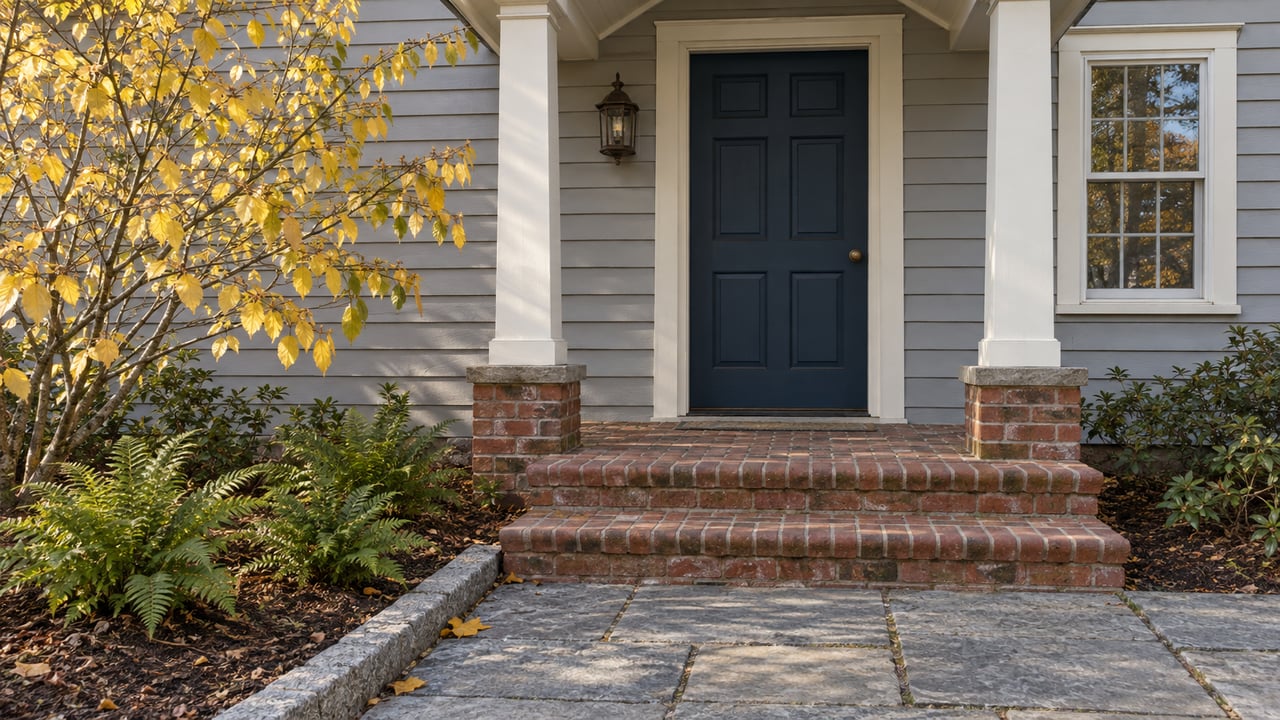
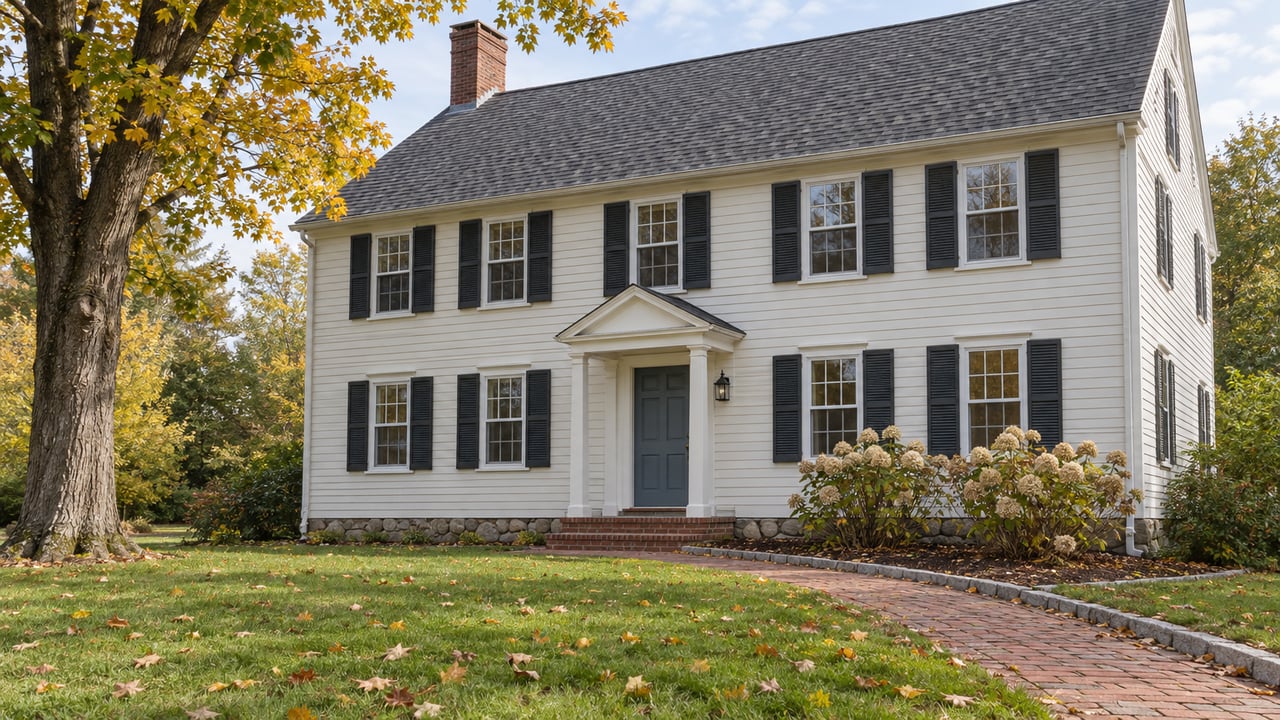
The town’s design guidance describes Yarmouth as having a remarkably intact architectural heritage. In practical terms, that means you may find grander homes in the Lower Village and wood-framed residential and mixed-use buildings in the Upper Village, all within a traditional New England streetscape that feels distinct from a vacation-only market.
What homes may look like
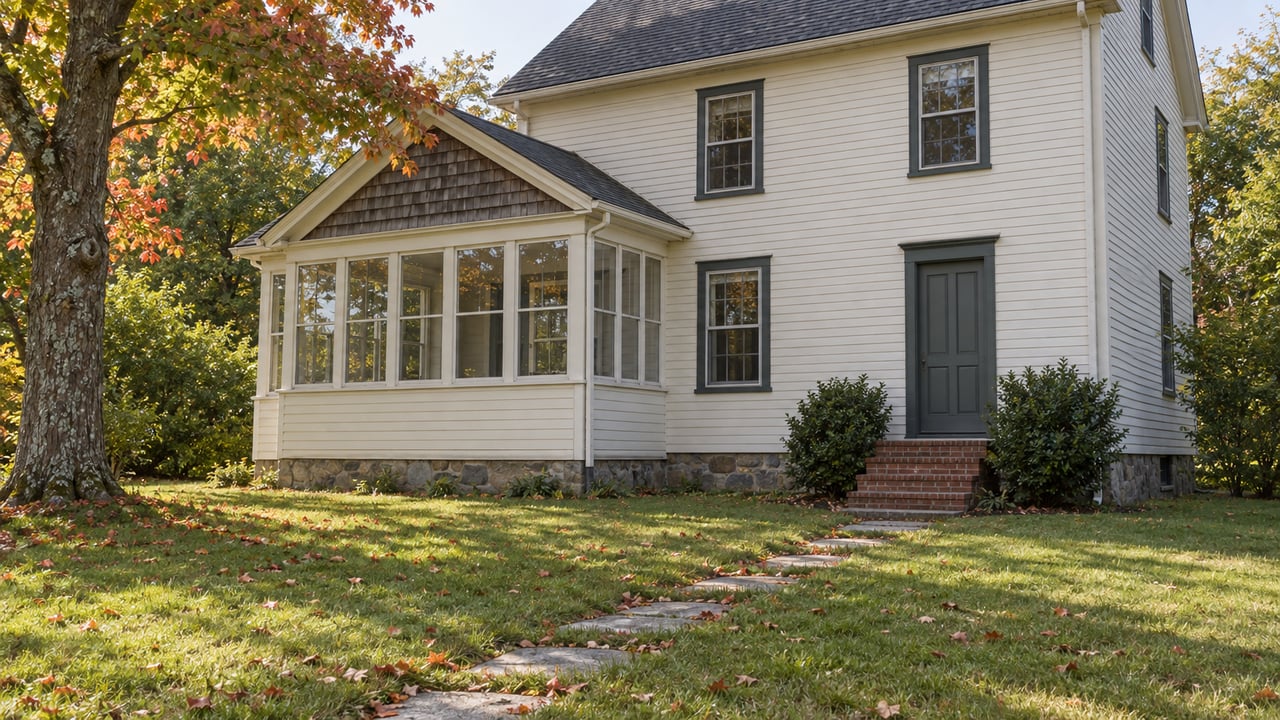
Yarmouth’s housing story is mixed by era, which can be appealing if you want options beyond one narrow property type. The town’s comprehensive plan notes that most residential construction occurred between 1960 and 1990, while the village core still holds older historic homes.
That suggests a likely mix of second-home opportunities that may include older village properties, mid-century and late-20th-century single-family homes, and a smaller number of island or waterfront homes. This is not a formal inventory, but it is a useful way to think about what you may encounter as you narrow your search.
Zoning supports this lower-intensity character. Yarmouth includes districts such as Rural Residential, Low Density Residential, Medium Density Residential, Village, Village II, and Water Oriented Commercial. In both Village II and the water-oriented districts, the code emphasizes primarily residential use and limits the kind of commercial activity more common in resort areas.
The lifestyle beyond the house
A second home works best when the surrounding routine feels usable, not just pretty in photos. In Yarmouth, boating is a major part of that routine. The harbor master issues seasonal launch passes from April 15 through November 15, including options for boats, canoes and kayaks, and daytime parking.
That seasonal setup shows how closely waterfront use aligns with the warmer months. If you plan to keep a boat, launch kayaks regularly, or spend weekends around the harbor, Yarmouth supports that lifestyle in a structured, resident-oriented way.
Shoreline recreation in every season
Yarmouth also offers outdoor access that extends beyond summer. The town’s comprehensive plan highlights Riverfront Woods Preserve, with shoreline trail and boardwalk experiences on the Royal River, and Spear Farm Estuary Preserve, a 55-acre site with more than two miles of trails used for walking, cross-country skiing, and snowshoeing.
Sandy Point Beach adds another layer with swimming and kayak launching. For a second-home owner, that matters because it gives the property relevance across more of the calendar. Your home can support summer boating, fall walks, and winter outdoor time rather than sitting idle outside peak season.
A town calendar, not just a getaway
Part-time ownership often feels more meaningful when the town itself has a rhythm. Yarmouth’s planning materials reference summer pop-up events at the Farmers’ Market, concerts and movie nights at Royal River Park, the Cousins Island and Littlejohn Island Improvement Association summer social, and the Yarmouth Clam Festival.
That kind of calendar helps a second home feel connected. Instead of arriving to a place designed mainly for visitors, you are stepping into a community with recurring events and established local traditions.
Practical ownership considerations
Lifestyle is only part of the equation. If you are buying a second home in Yarmouth, it is just as important to understand what ownership may require when you are not in residence full time.
Historic review may affect renovations
If you are drawn to an older home in the village or another historic area, renovation planning deserves early attention. Yarmouth’s Historic Preservation Advisory Ordinance applies to exterior modifications visible from a public right-of-way in historic districts, to exterior changes on Local Historic Landmarks, and to new construction in historic districts or on landmark sites.
Ordinary maintenance, repainting, and in-kind replacement are generally not reviewed. But visible changes such as siding updates, window or door replacement, and additions may require review. The zoning code also includes a demolition-delay process for buildings of value, and substantial exterior modifications may be treated as demolition for review purposes.
Coastal upkeep and winterization matter
Part-time ownership on the Maine coast comes with practical maintenance needs. Regional climate data from NOAA’s Gray-Portland office shows that Portland’s 2010s were warmer and snowier than the 1980s, which is a useful reminder that the off-season can still be weather-intensive.
For you as an owner, that supports a careful plan for heat, plumbing, roof condition, drainage, and storm readiness when the home is unoccupied. In a second-home setting, maintenance is not just about comfort. It is part of protecting the property over time.
Shoreline conditions require attention
Yarmouth’s own planning documents note that some early archaeological sites along the Casco Bay shoreline are at risk from erosion and sea level rise. While that statement is broader than any one parcel, it reinforces an important point for coastal buyers.
Water access can be rewarding, but it also calls for awareness. If you are evaluating a property near the shoreline, it is wise to think carefully about drainage, site conditions, and long-term resilience as part of your due diligence.
Downtown parking can shape weekends
If you picture easy village dinners and guest visits, it helps to know how downtown functions. Yarmouth’s Main Street Parking Study found that downtown has many private parking lots with restricted use and very few public parking areas, with a strategy built around a park-once-and-walk pattern.
That does not make village life less appealing. It simply means your hosting plans and weekend routines may work best when you expect a walkable downtown experience rather than abundant public parking.
How to think about the right fit
Not every second-home buyer wants the same version of coastal living. In Yarmouth, your best fit may depend on whether you picture island access, village architecture, trail proximity, or a lower-maintenance home base near Portland.
Here is a simple way to frame your search:
- If you prioritize boating and water access, Cousins Island or Littlejohn Island may be worth close attention.
- If you love older homes and village character, Lower Village or Upper Village may offer a better match.
- If you want four-season usability, look closely at access to trails, the harbor, and the village center together.
- If you plan to renovate, review historic and zoning considerations early in the process.
- If you will be away for long stretches, make maintenance planning part of the buying decision, not an afterthought.
Yarmouth stands out because it does not force you to choose between coastal atmosphere and year-round substance. It offers a residential town structure, a shoreline lifestyle, and a village center that still feels connected to everyday life.
If you are considering a second home in Yarmouth, the best opportunities often come down to nuance: the right setting, the right level of upkeep, and the right balance between privacy, water access, and village convenience. For tailored guidance on Yarmouth’s coastal neighborhoods and a discreet, high-touch buying experience, connect with Elise Kiely.
FAQs
What makes Yarmouth different from a typical Maine resort town?
- Yarmouth is a year-round residential community with a compact village center, established neighborhoods, and shoreline access, rather than a town built mainly around transient visitors.
Which Yarmouth areas are most relevant for second-home buyers seeking coastal living?
- Cousins Island and Littlejohn Island are the two year-round island communities connected by bridge, while Lower Village and Upper Village may appeal if you prefer village character and historic housing.
What kinds of homes might you find in Yarmouth for a second home?
- Based on the town’s land-use history, you may encounter older village homes, mid-century and late-20th-century single-family houses, and a smaller number of waterfront or island properties.
What outdoor activities support second-home living in Yarmouth?
- Yarmouth offers seasonal boating access, shoreline trails at Riverfront Woods Preserve, multi-season trails at Spear Farm Estuary Preserve, and swimming and kayak launching at Sandy Point Beach.
What should second-home buyers know about renovating older homes in Yarmouth?
- In historic districts and on certain landmark properties, visible exterior changes such as siding, windows, doors, additions, and some substantial modifications may require review, so renovation planning should start early.
What maintenance issues matter most for a part-time home in Yarmouth?
- Buyers should think carefully about winterization, heating systems, plumbing protection, roof condition, drainage, and storm readiness, especially when a home may sit unoccupied for stretches of time.
What should buyers know about shellfish use and clamming in Yarmouth?
- Clamming at Sandy Point Beach is allowed with a license when mudflats are open, and shellfish growing areas are monitored with closures posted through the state system, so access depends on current conditions and notices.