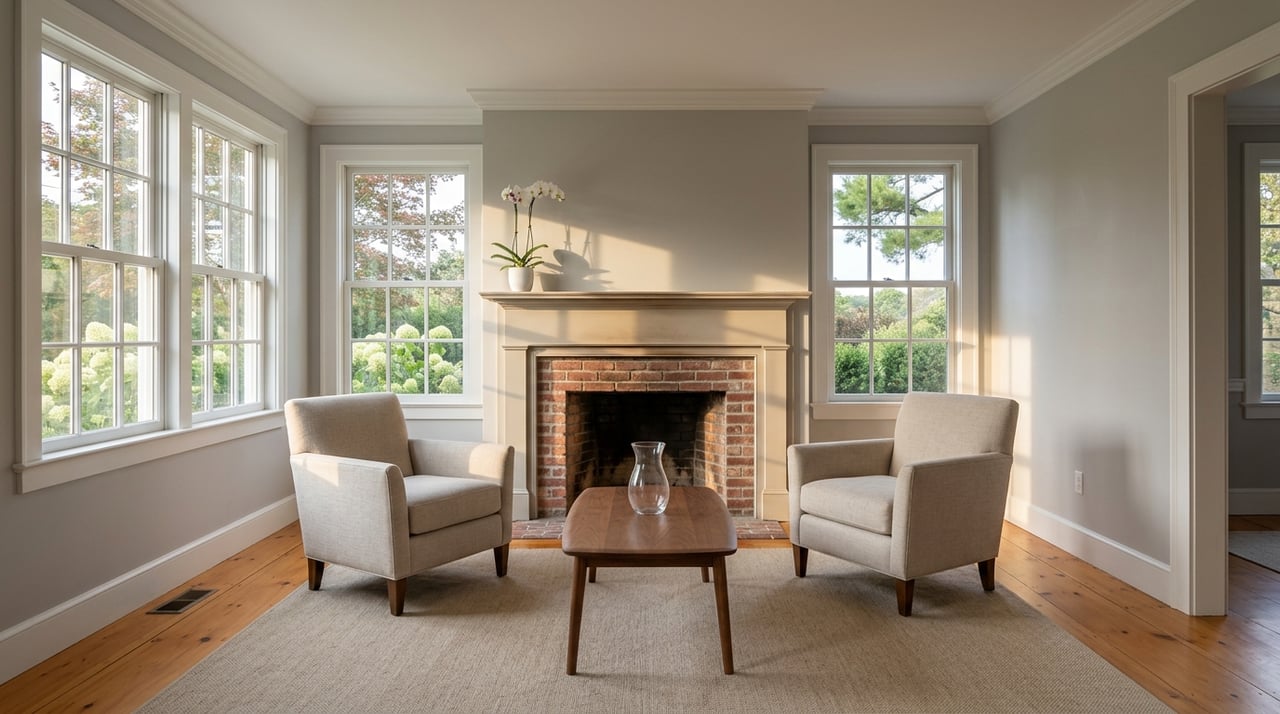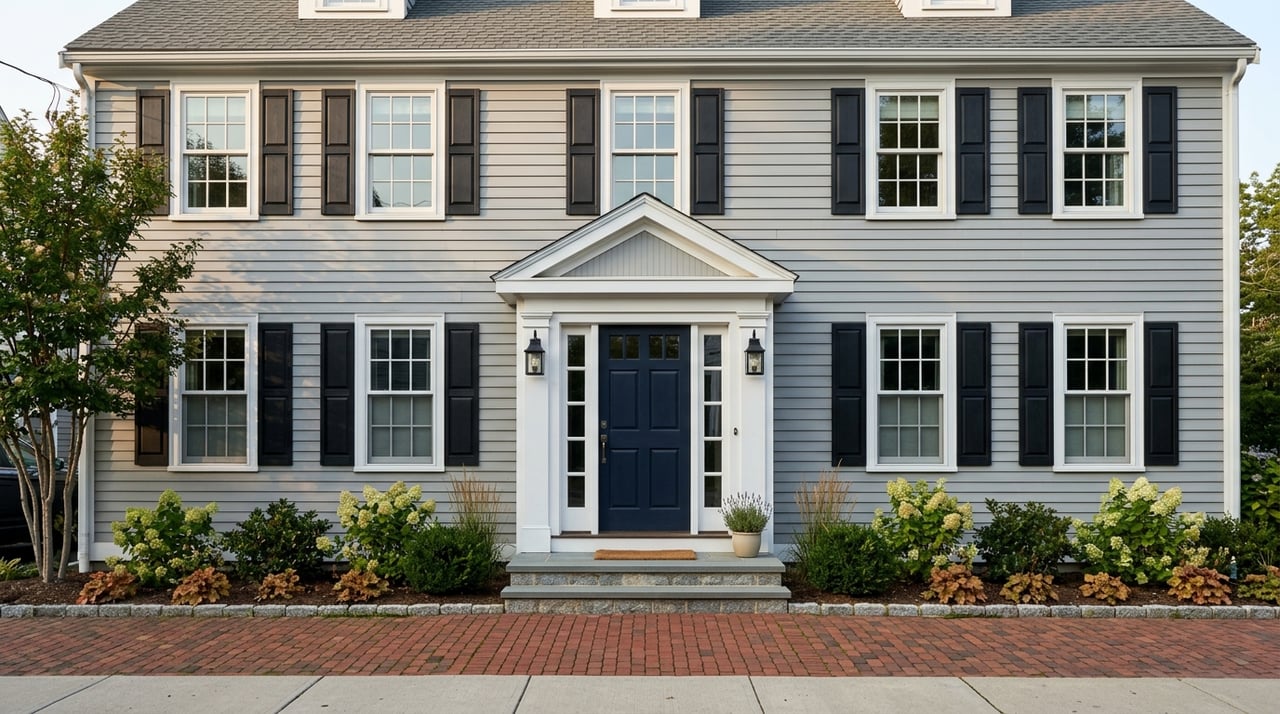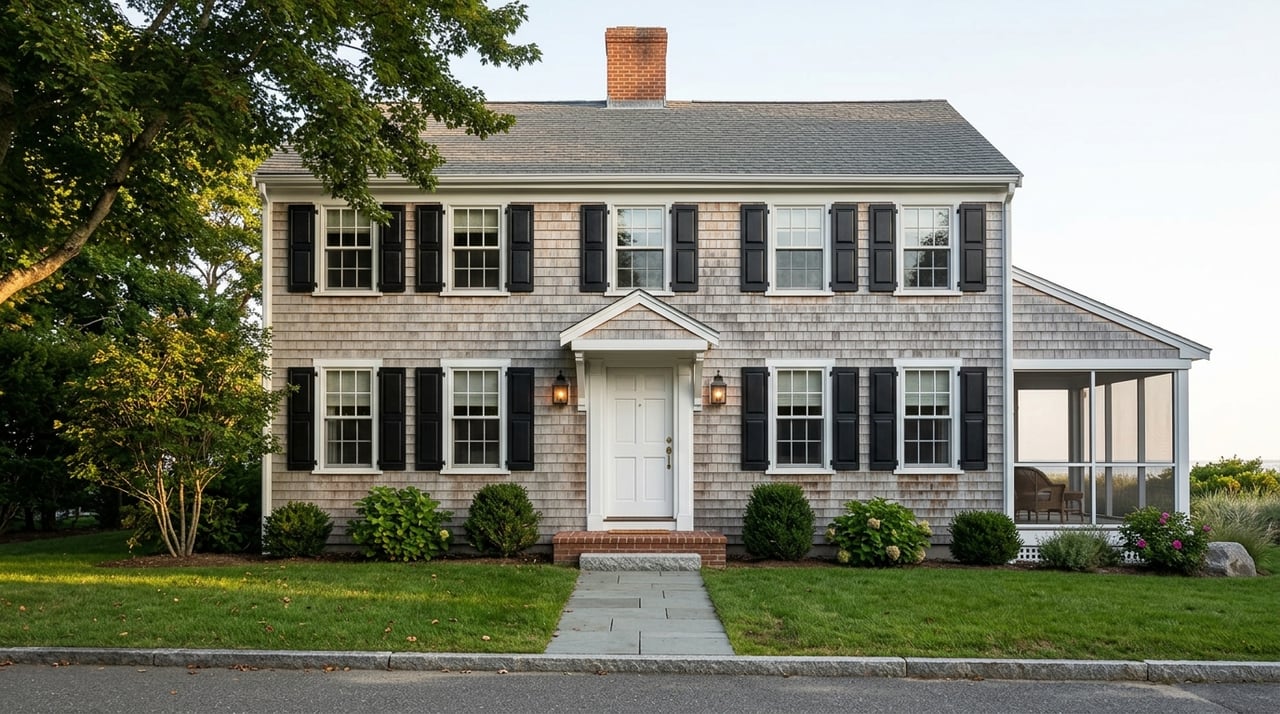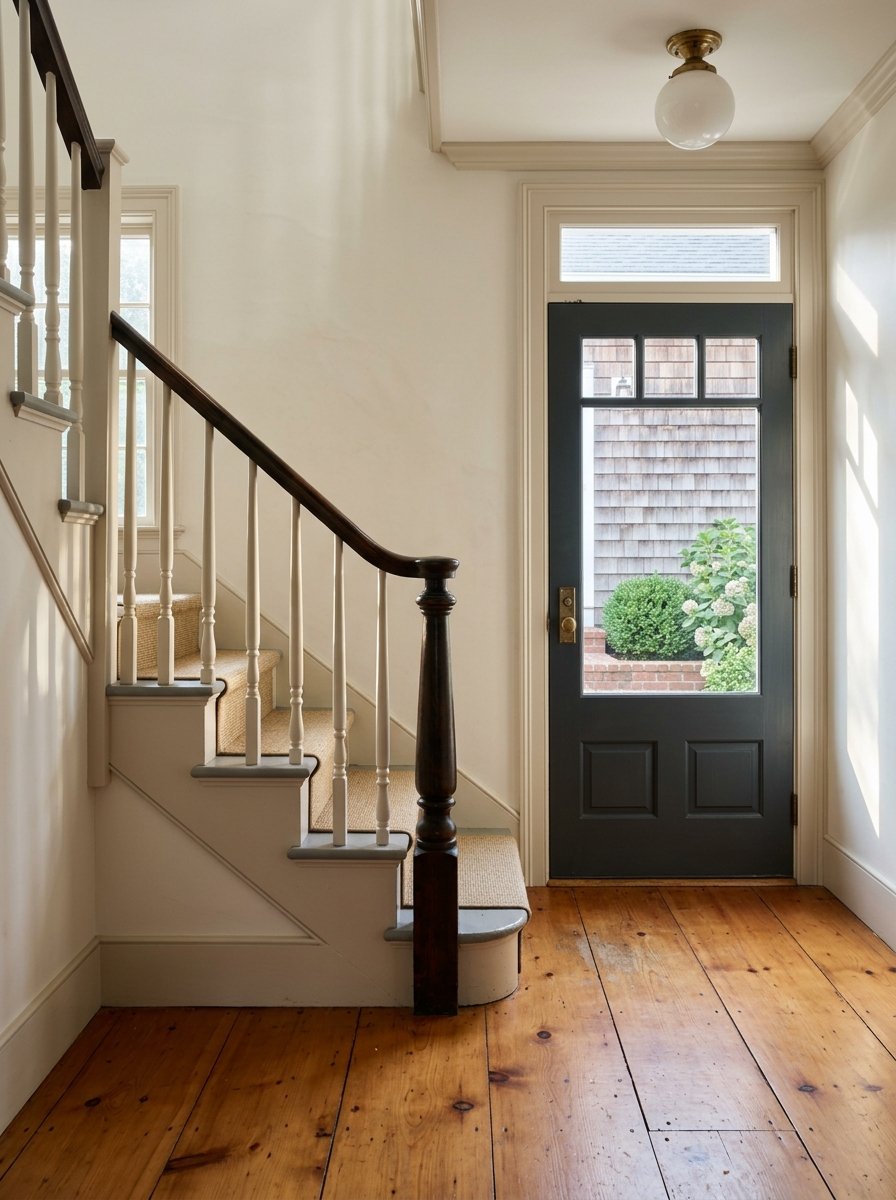
If you own or hope to buy a historic home in Portland, it is easy to fall for the original trim, tall windows, worn wood floors, and street presence that newer homes rarely match. It is also easy to underestimate how much planning a smart renovation takes, especially when local historic review, older materials, and long-term value all come into play. The good news is that thoughtful updates are absolutely possible. With the right approach, you can improve how a home lives today while respecting the features that make it special. Let’s dive in.
Why Portland renovations need extra planning
Portland is an especially relevant place to talk about older-home renovation because historic housing is part of the city’s everyday fabric. A city-sourced ACS snapshot found that 51.8% of Portland housing units were built in 1939 or earlier. That means renovation is not a niche concern here. It is a practical reality for many buyers, sellers, and owners.
The city also has multiple local historic districts, including West End, Old Port, Munjoy Hill, India Street, Portland Company, Stroudwater, and Westbrook College. If a property is in a local historic district or is individually designated, exterior work may follow a formal review path through the city. That can affect your budget, your timeline, and the design choices that make the most sense.
For many homeowners, the biggest mindset shift is this: the goal is usually not to erase age. In Portland’s historic homes, the strongest renovations tend to improve function, safety, and durability while keeping the scale, materials, and visual character that define the house.
Know if your home is regulated
Before you sketch plans or price out contractors, confirm whether your home is in a local historic district or is individually designated as a landmark. In Portland, that status matters because it determines whether you need historic review before moving forward with certain exterior changes.
According to the city’s guidance, approval is required for exterior alteration, construction activity, or site improvement visible from a public way for properties in a historic district or designated landmark. For individually designated landmarks, exterior alterations or additions require review and approval whether or not the change is visible from a public way. A separate building permit may also be required.
This is one reason early due diligence matters so much in Portland. If you are buying with renovation in mind, understanding a home’s review status before closing can help you avoid expensive assumptions later.
Understand what often triggers review
Historic review in Portland commonly applies to the very projects many owners think of first. If your plan includes exterior work, it is wise to assume you may need city input and verify the process early.
Common project types listed in city application materials include:
- Window and door replacement
- Storm windows and screens
- Porch replacement or new porches
- Decorative detail replacement, such as columns, railings, spindles, moldings, and cornices
- Siding and masonry work
- Repointing and some cleaning or paint-related treatments
- Roofing and gutters when they are significant features
- Additions, dormers, decks, and rooftop additions
- Accessory structures and exterior stairs
- Fences, retaining walls, driveways, paving, and re-grading
- Exterior utilities, antennas, solar collectors, and rooftop mechanicals
- Moving or demolishing contributing structures within a district
That does not mean every project is impossible or headed for a long hearing. Portland staff first determines whether a project can be handled administratively or needs board review. Still, the scope and visibility of your work can shape both the level of review and the amount of documentation you need.
Design for compatibility, not imitation
One of the most helpful things to understand about preservation standards is that they do not require your home to become a museum piece. Maine’s Historic Preservation Commission notes that local ordinances are intended to guide change, not stop it altogether.
Portland’s standards generally favor preserving original qualities and historic material, repairing rather than replacing when feasible, and using replacement materials that match the original in composition, design, texture, and other visual qualities when replacement is necessary. The standards also allow contemporary additions or alterations when they are compatible, differentiated from the old, and do not destroy significant historic material.
In practical terms, that means a successful renovation often starts with careful questions:
- What original features still define the house?
- What truly needs repair versus replacement?
- Which upgrades improve daily living without changing the home’s character?
- How will a new element read from the street?
That kind of planning can protect both livability and resale appeal. Buyers are often drawn to historic homes because they want authenticity, not a generic remodel.
Prioritize the right improvements first
If you are renovating an older Portland home, it helps to think in layers. Cosmetic updates can be satisfying, but they are rarely the first place to focus if the home has deferred maintenance or aging systems.
A more thoughtful sequence often looks like this:
Start with weather and water
Roof condition, flashing, gutters, drainage, and exterior envelope details deserve close attention. Maine’s Historic Preservation Commission notes that historic properties face risks tied to erosion, high water, intense storms, and high winds. In a coastal city like Portland, moisture management is not just maintenance. It is part of protecting long-term value.
Address windows, siding, and masonry carefully
These are among the most visible and most heavily scrutinized parts of many historic-home projects. Portland’s standards favor repair where feasible, and that can matter with original wood windows, decorative trim, and masonry that still has years of life left if treated properly.
Plan additions with restraint
A new dormer, deck, mudroom, or rear addition may be possible, but proportion and placement matter. The strongest additions tend to support how you live now while remaining visually secondary to the original structure.
Save finish decisions for later
Paint colors, fixtures, and decorative surfaces matter, but they should come after you understand the building’s condition, review path, and structural needs. In older homes, getting the shell right often makes every later design choice easier.
Budget for documentation and timing
One of the most common renovation mistakes is budgeting only for construction. In Portland, you also need to plan for the design and review process.
The city’s Historic Preservation Board requires plans, drawings, specifications, photos, and other support materials with an application. Staff determines whether the project can be reviewed administratively or needs board review. If a board review is required, the application should be filed at least two weeks before the meeting date, and the board meets on the first and third Wednesdays of each month.
That timing can affect purchase strategy, contractor scheduling, and carrying costs. If you are buying a historic property with a value-add plan, your renovation calendar may need more room than a similar project in a non-designated home.
Do not overlook lead-safe planning
Older homes offer charm, but they also call for practical caution. EPA notes that 87% of homes built before 1940 have some lead-based paint, and homes built before 1978 may contain lead-based paint that becomes hazardous when disturbed during renovation.
That matters in Portland because so much of the housing stock predates those years. If your project includes sanding, demolition, window work, or disturbing painted surfaces, lead awareness should be part of your planning from the start.
EPA also states that firms doing renovation, repair, and painting work in pre-1978 homes must be certified and use lead-safe work practices. For owners and buyers, this is not a minor detail. It is a basic part of protecting health, managing risk, and avoiding preventable surprises during construction.
National Register status is not the same thing
This point trips up many buyers. If a home is listed on the National Register, that does not automatically mean every change is locally regulated. Maine’s Historic Preservation Commission explains that National Register listing identifies properties worthy of protection, but with few exceptions it does not by itself prevent alteration or demolition.
In Maine, meaningful protection usually comes through local ordinances and local review processes. In Portland, that means the local historic district or landmark designation is often the key issue when you are trying to understand what approvals may apply to your project.
Incentives may help some owners
Tax incentives can be relevant, but they are especially important for income-producing historic properties rather than owner-occupied homes used purely as private residences. For certified historic structures that qualify, the federal Historic Preservation Tax Incentives program offers a 20% credit for rehabilitation of income-producing buildings.
Maine also offers a 25% substantial rehabilitation credit that works with the federal credit, plus a 25% small project rehabilitation credit for certified historic structures with qualified rehabilitation expenditures between $50,000 and $250,000 when the federal credit is not claimed. If you are evaluating a rental, mixed-use property, or other investment-oriented project in Portland, these programs may be worth exploring as part of your financial planning.
Build the right team early
Thoughtful renovation in a historic home is rarely a solo exercise. Because Portland’s review process requires a fairly complete package of plans, material information, and supporting documentation, it often makes sense to involve experienced professionals before final design decisions are locked in.
Depending on the scope, that may include an architect, an older-home contractor, and preservation staff guidance when needed. Early coordination can help you avoid redesign costs, shorten review friction, and make smarter choices about what to preserve, what to replace, and what to phase over time.
For buyers, this is where good real estate guidance also matters. If you are purchasing with renovation goals in mind, it helps to evaluate not only the home’s charm but also the likely approval path, project complexity, and effect on future value.
Why thoughtful renovations support value
In Portland, historic homes often carry both emotional appeal and real market significance. Their value is tied not just to square footage, but to craftsmanship, location, and architectural character that can be difficult to recreate.
A thoughtful renovation respects that equation. It can improve daily comfort, reduce future maintenance, and preserve the details that support long-term desirability. For sellers, that often means stronger presentation and fewer buyer objections. For buyers, it can mean investing in a home that feels both distinctive and well considered.
If you are considering a purchase, preparing a future sale, or weighing a value-add project in one of Portland’s historic areas, careful planning can make all the difference. For tailored guidance on buying, selling, or evaluating a renovation-minded move in southern Maine, request a private consultation with Elise Kiely.
FAQs
How do I know if a Portland home is in a historic district?
- Check whether the property is in a local historic district or individually designated as a landmark using Portland’s historic mapping and designation resources.
Do Portland historic homes allow modern additions?
- Yes. Portland’s standards allow contemporary additions or alterations when they are compatible, differentiated from the original structure, and do not destroy significant historic material.
Does National Register status control renovations in Portland?
- Usually not by itself. In Maine, local ordinances and local review processes are what generally regulate exterior changes.
What Portland renovation projects often need historic review?
- Common examples include window and door replacement, porches, siding, masonry work, roofing, decks, dormers, additions, fences, paving, exterior utilities, and some site improvements.
Do Portland historic-home projects need a building permit too?
- Often, yes. Portland’s historic preservation materials note that a separate building permit may also be required.
Why is lead safety important in older Portland homes?
- Because much of Portland’s housing stock is older, renovations in pre-1978 homes may disturb lead-based paint. EPA says certified firms must use lead-safe work practices for this kind of work.