What if your morning started with coffee on Main Street, a quick walk to the Royal River falls, and an afternoon watching boats ease down to Casco Bay? If you are exploring a move to southern Maine, you want a place that feels close-knit without giving up the coast you came for. This guide gives you a clear look at Yarmouth’s village rhythm, river and marina access, seasonal calendar, and the character of its homes so you can picture daily life. Let’s dive in.
Where village meets coast
Yarmouth sits on the Royal River where it meets Casco Bay. You are about 12 miles from downtown Portland, typically 20 to 35 minutes by car depending on traffic. Portland’s airport is within easy reach, and Amtrak’s Downeaster service runs from nearby Freeport and Portland if you prefer rail for regional trips. Outside the village core, you will likely rely on a car for most errands.
Cousins Island and Littlejohn Island are part of Yarmouth’s footprint, linked by the Snodgrass Bridge. Island addresses feel quiet and self-contained, with their own small community rhythms. In the village, the Royal River’s greenway connects directly to Main Street, which keeps daily life close to the water.
Main Street rhythm
Yarmouth Village is compact and easy to navigate. You will find independent shops, cafés, and everyday services along Main Street near Memorial Green. The layout encourages short walks between errands and the park trails, so grabbing fresh bread, meeting a friend for lunch, and catching a riverside stroll can all fit into one loop.
- For everyday provisions, neighbors turn to the Main Street outpost of Rosemont Market & Bakery, a local grocery and bakery with prepared foods and staples. Explore their Yarmouth location to get a feel for what you can pick up on foot: Rosemont Market & Bakery.
- Farm-to-table dining adds to the village feel. Gather on Main Street is a popular example of a full-service, from-scratch spot that anchors evening plans within walking distance: Gather.
- From May through October, the Yarmouth Farmers Market sets up on Thursday afternoons at Memorial Green. It brings neighbors together for produce, prepared food, and live music, a weekly ritual that signals the season: Yarmouth Farmers Market.
What walkable means here
Walkability varies by micro-location. Main Street and West Main addresses score in the “somewhat walkable” range, which means many errands are doable on foot in the village core. For example, a West Main Street address shows a Walk Score around the mid-50s: Walk Score example. Out on the coast or on the islands, you will depend more on driving or boating for daily needs.
River, parks, and marinas
The Royal River is the town’s backbone. Paved paths and overlooks in Royal River Park connect directly to the village, with green space for casual walks and family time. For a quick sense of the trail network and park access points, start with Yarmouth Community Services’ open space pages: Yarmouth Community Services open spaces.
Boating is central to Yarmouth life. Several marinas and boatyards on the Royal River and nearby coast support seasonal and year-round storage, service, and slips. Yankee Marina & Boatyard is a full-service yard right on the river that is a good first call for availability and services: Yankee Marina & Boatyard. Yarmouth Boat Yard and Royal River Boat also serve local boaters.
If you plan to keep a boat here, check mooring policies and launch passes early. The Town’s Harbor & Waterfront page covers moorings, wait lists, and launch regulations so you can map out a realistic timeline: Town of Yarmouth Harbor & Waterfront.
A working waterfront in transition
Yarmouth has advanced a restoration process on the Royal River, and in January 2025 voters approved removing some dams to restore fish passage and habitat. The project has ecological benefits and has also prompted discussion about river height, recreation, and support for harbor businesses during the transition. For updates and studies, see the Royal River Alliance resources: Royal River Alliance river studies.
Seasons you can feel
Summer brings Yarmouth’s signature event: the Yarmouth Clam Festival, held the third weekend in July. The festival transforms Main Street with a parade, food, music, and local booths. Organizers report attendance of more than 100,000 over the weekend, which gives you a sense of scale and community pride: Yarmouth Clam Festival.
Through the year, you will notice smaller rituals that shape village life. The farmers market marks late spring through fall. The library’s programs and local nonprofit events fill winter with gatherings, from tree lightings to seasonal celebrations. These activities keep the village connected even when the harbor is quiet.
Homes and neighborhoods: what to expect
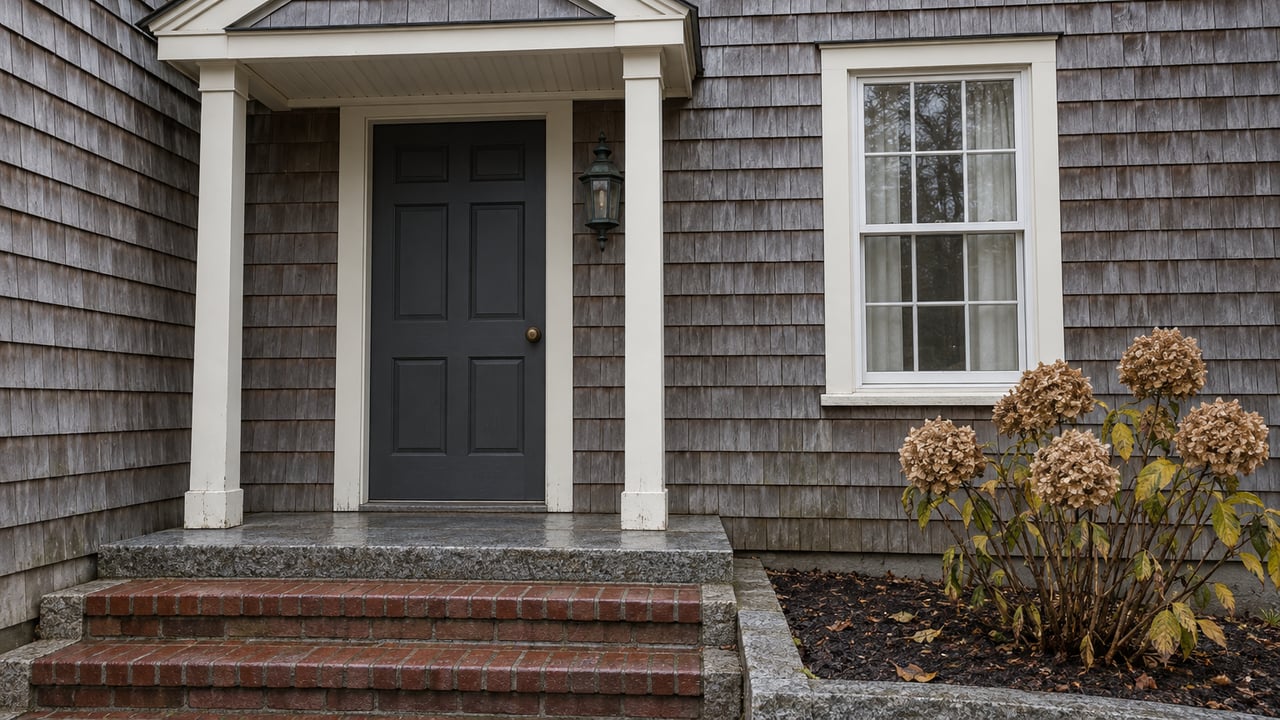
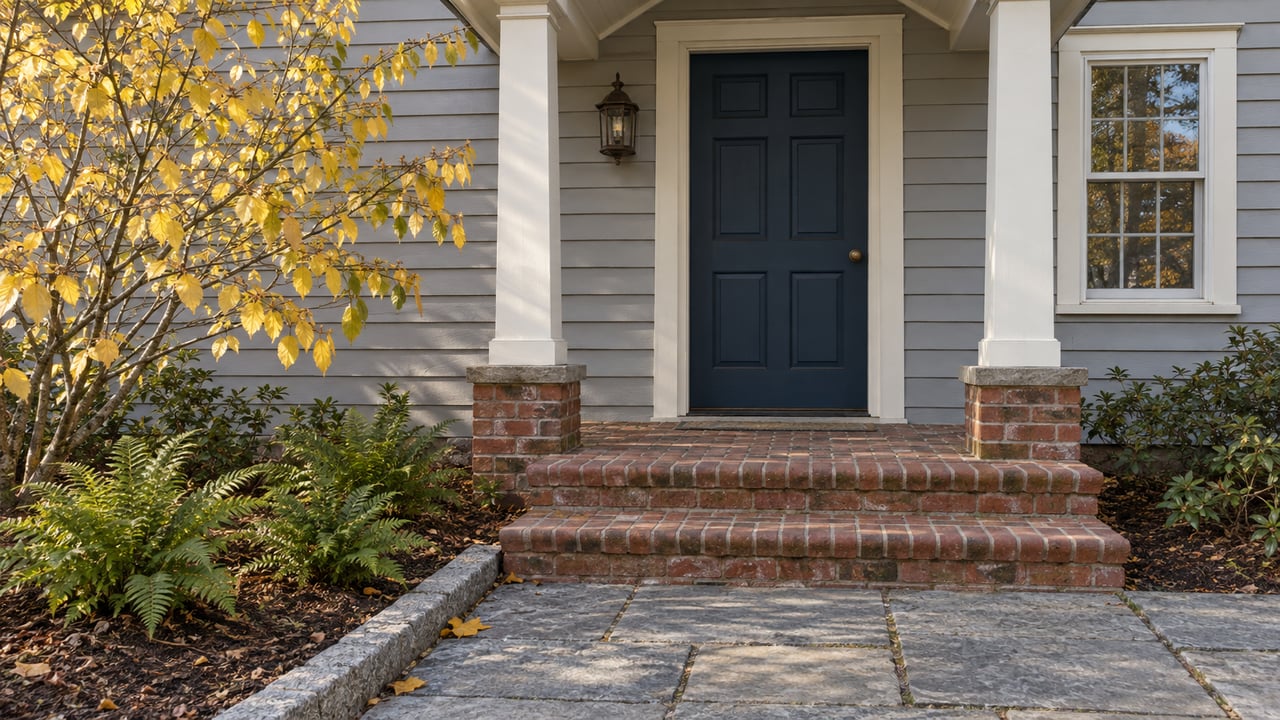
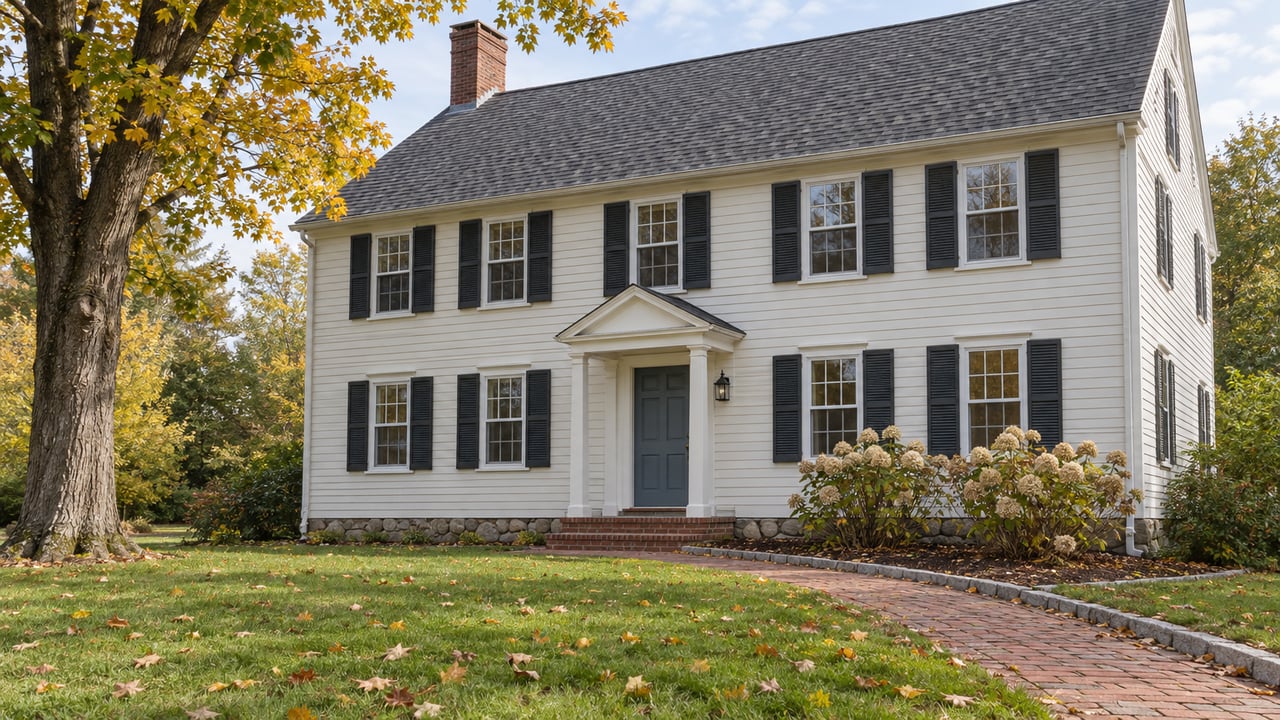
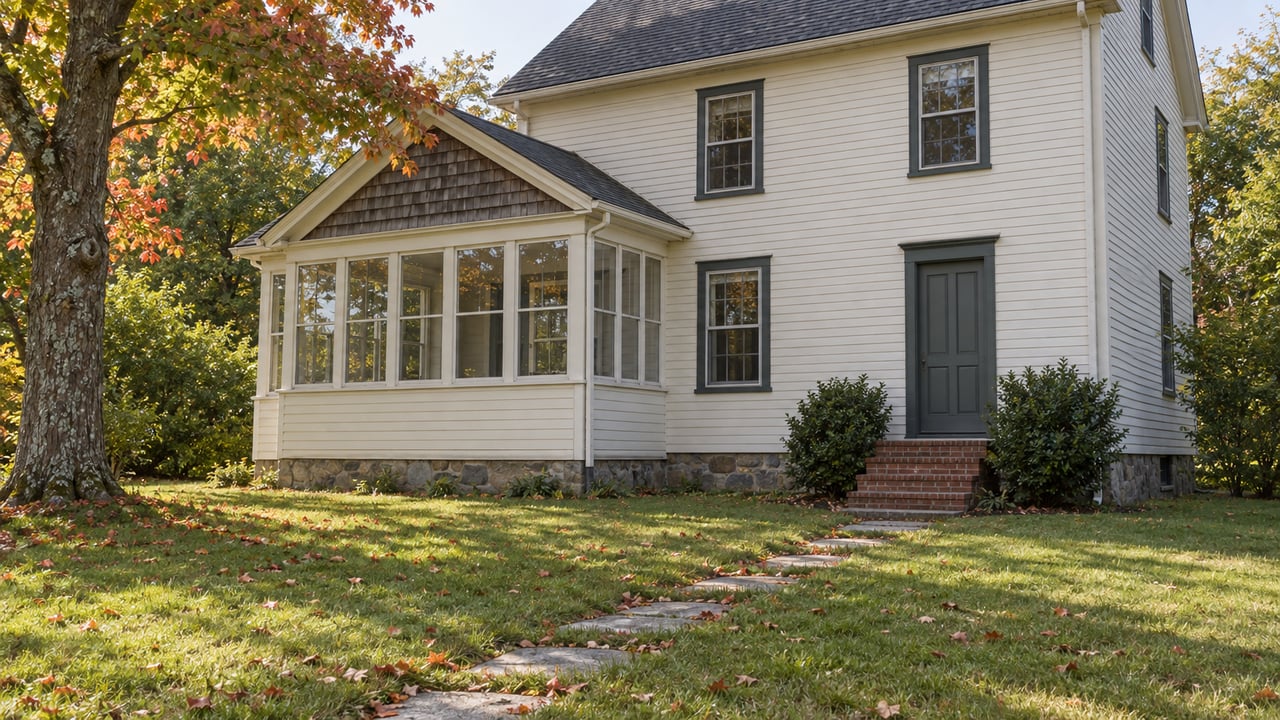
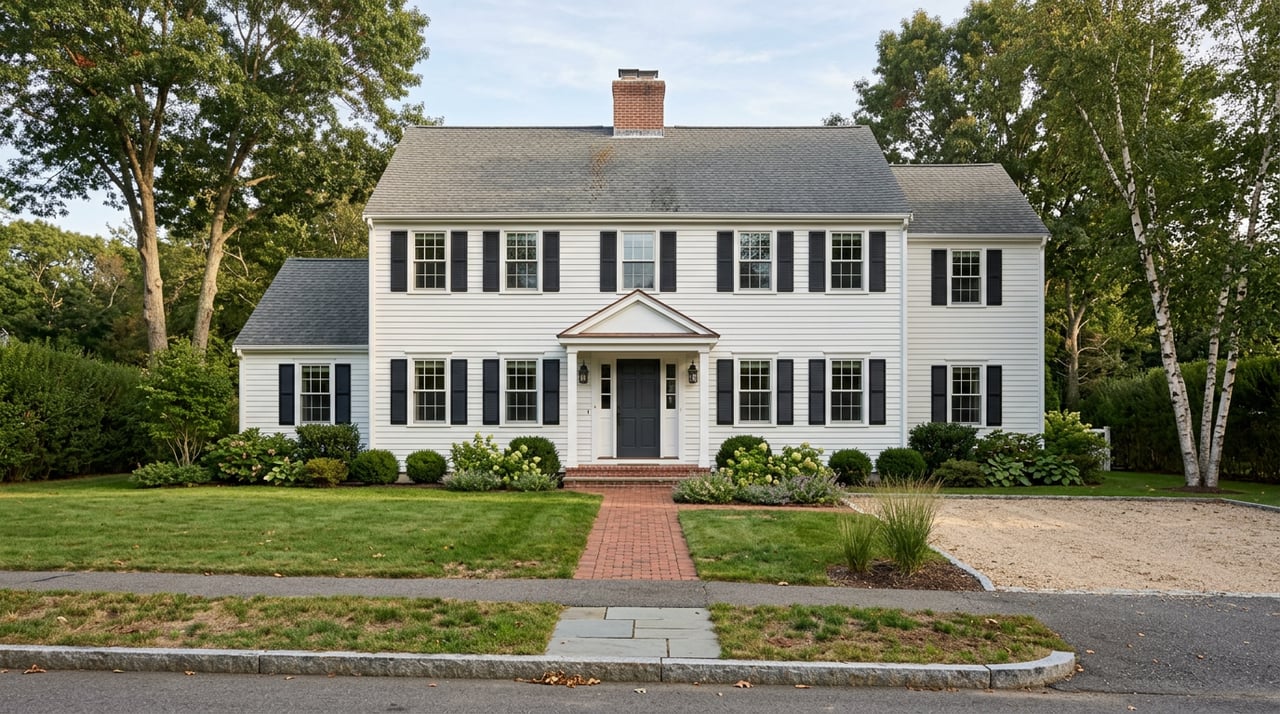
Close to Main Street, you will see 19th and early 20th century architecture, including Colonials, Italianate and Victorian houses, and historic Capes. Many have painted clapboard fronts, porches, and mature trees. As you move toward the coast and islands, homes often shift to post-war and contemporary single-family styles, plus waterfront cottages and island retreats.
Market snapshots for Yarmouth typically land in the high six figures to low seven figures, reflecting its position as a higher-priced Portland-area suburb. Exact numbers move with the market, so check fresh MLS data when you are ready to act. If schools are part of your decision, the Yarmouth School Department has received national recognition, including a Blue Ribbon designation for the high school. Find district information here: Yarmouth School Department.
Village vs. coast: which fits you
- If you want to walk for coffee, groceries, the library, and park trails, the village core is a strong fit. Lots tend to be smaller and homes older, often with period details.
- If you want water access and privacy, coastal streets and the islands lean toward larger lots and more driving, with the tradeoff of scenic settings and boating proximity.
- If you split time seasonally, plan schedules around marina storage, mooring lists, and launch dates, plus winter plowing on island roads.
A day in Yarmouth: the morning loop
Start with a pastry and coffee, then head down the Royal River path to the waterfall overlooks in Royal River Park. If it is Thursday in season, swing by the Yarmouth Farmers Market on Memorial Green for local produce and live music before walking back through Main Street for lunch. In the afternoon, watch boats navigating the bends of the Royal River or plan a harbor outing. As evening comes, dinner in the village keeps the day relaxed and close to home.
Practical tips for your search
- Commute planning. Budget 20 to 35 minutes by car to downtown Portland. The Amtrak Downeaster from Freeport or Portland offers an alternative for regional trips.
- Walkability by block. The village core supports a walk-to-errands lifestyle. Outside the core and on the islands, plan for a car-centered routine.
- Boating logistics. Contact marinas early about slips and winter storage. Review the Town’s mooring and launch policies to understand wait lists and rules.
- Seasonal mindset. Summer is event-heavy and bustling; winter is quieter and more local. Plan visitation and inspections with seasonality in mind.
- Historic-home checks. Older village homes often show craftsmanship you will love. A thorough inspection and a clear scope for updates will help you protect that character.
- Waterfront due diligence. If you are near the river or coast, confirm shoreline conditions, access rules, and any permitting requirements before you buy.
If you are weighing village life against coastal privacy, you do not have to choose without context. A thoughtful search ties lifestyle, timing, and property type together so you can move with confidence.
Ready to explore Yarmouth’s village and coast in person, or to position your home for the right buyers? Reach out to Elise Kiely to Request a private consultation.
FAQs
How long is the commute from Yarmouth to Portland?
- You can expect about 20 to 35 minutes by car to downtown Portland depending on traffic; Amtrak service from Freeport and Portland offers a rail option for regional trips.
What is walkability like in the village compared with coastal streets?
- The village core is “somewhat walkable,” with many errands on foot, while coastal and island areas are more car dependent due to distance from Main Street services.
How do moorings and slips work on the Royal River?
- The Town administers moorings and launch passes, and local marinas handle slips and storage; reach out early since wait lists and seasonal capacity can apply.
Which seasonal events define Yarmouth’s community feel?
- The July Clam Festival anchors summer, while the May–October farmers market and year-round library and nonprofit events create smaller weekly and seasonal rituals.
What home styles are common near Main Street and along the coast?
- Near the village you will find 19th and early 20th century homes like Colonials, Italianate and Victorian houses; along the coast and islands you will see post-war and contemporary homes plus waterfront cottages.
What is happening with the Royal River dams and how could it affect life here?
- The town approved removing some dams in 2025 to restore fish passage, which supports habitat and may change water levels and certain recreational uses during the transition.