If you are looking for a coastal Maine town that feels connected without feeling crowded, Falmouth deserves a close look. You may be drawn to the shoreline, the trail network, or the easy access to Portland, but what often stands out most is how these pieces fit together in everyday life. From Foreside water views to inland forests and practical daily conveniences, Falmouth offers a lifestyle that is both scenic and functional. Let’s dive in.
Why Falmouth Stands Out
Falmouth is a coastal town just north of Portland on Casco Bay, with a 2024 estimated population of 12,919 according to the U.S. Census estimate cited by the town. The town covers about 32 square miles and provides many core services locally, which helps daily life feel convenient and self-contained.
Its growth has been shaped in part by access to I-295 and the Maine Turnpike. According to the town’s facts and figures page, that transportation access helped Falmouth grow as a Portland-adjacent residential community, while commercial activity concentrated along Routes 1 and 100.
For you as a buyer or future resident, that means Falmouth can offer a quieter residential setting without giving up regional access. You get the feel of a coastal town, but with a practical connection to Portland’s jobs, services, and amenities.
Foreside Living and Waterfront Access
When people picture Falmouth, the shoreline often comes first. The town’s 2024 comprehensive plan describes the coastline as almost entirely residential, with public access concentrated at select locations such as Town Landing, Gilsland Farm, Portland Yacht Club, Handy Boat Marina, and Falmouth Town Landing.
That detail matters because it shapes how the waterfront feels. Instead of a heavy commercial waterfront, much of Falmouth’s coast reads as residential, private, and scenic, with public access focused in specific areas rather than spread continuously along the shore.
Town Landing Is a Local Anchor
Town Landing, off Foreside Road, is one of the best-known public shoreline spots in town. The town notes that it includes a public beach and boat launch and is home to the largest recreational anchorage and mooring field in Maine, as well as the largest north of Marblehead, Massachusetts.
That scale is not just a statistic. It tells you boating is woven into daily life here, especially during the warmer months, and that demand for shoreline access is strong enough that resident parking is restricted at Town Landing.
Boating Is Part of the Rhythm
Falmouth’s Marine Unit oversees a mooring field of about 1,200 pleasure and fishing vessels, along with public beaches, two yacht clubs, and the Town Landing pier facility. In practical terms, boating is not a niche activity in Falmouth. It is a visible part of the town’s recreational identity and public infrastructure.
If your ideal Maine lifestyle includes keeping a boat nearby, spending time on Casco Bay, or simply enjoying a community where the water is part of everyday conversation, Falmouth has a strong case to make.
Trails Add Another Side of Town
What makes Falmouth especially appealing is that it is not only about the coast. The town also has a notably layered outdoor experience, with wooded preserves, community parks, estuary walks, and trail connections that support year-round use.
The town’s trail system links places like Falmouth Community Park, Town Forest, and Hadlock Community Forest into the Cross Falmouth trail corridor. Typical uses include hiking, biking, cross-country skiing, snowshoeing, horseback riding, and snowmobiling.
Falmouth Community Park and Connected Trails
Falmouth Community Park is 160 acres and includes an active farm, open fields, forests, ball fields, and about four miles of general-use trails, according to the town’s facility page. It is the kind of place that supports both organized activity and informal outdoor time, which is a big part of why Falmouth appeals to so many buyers.
The surrounding network adds even more variety. Town Forest offers a smaller wooded loop, while Hadlock Community Forest spans almost 300 acres, making it one of the largest contiguous open-space areas in town.
Estuaries, Pine Forests, and Preserves
For a different type of walk, the Falmouth Nature Preserve and Mill Creek Preserve offers 2 to 3 miles of trails leading to a tidal estuary and salt marsh. Pine Grove Preserve on Foreside adds a mature pine forest setting near Routes 88 and 1, while Woods Road Community Forest is described by the town as one of the oldest forest stands in southern Maine.
This variety is one of Falmouth’s biggest strengths. You are not limited to one kind of outdoor setting. On any given week, you might choose a shoreline walk, a forest loop, or a marsh-side trail depending on the season and your pace.
Gilsland Farm and Mackworth Island
Two of the area’s most appealing outdoor spots also add to the Falmouth lifestyle story. The town highlights Mackworth Island State Park, reached via the Andrews Avenue causeway off Route 1, where a 1.5-mile loop trail circles a roughly 100-acre island.
Then there is Gilsland Farm, located along the Presumpscot River estuary and open free year-round. Maine Audubon notes that it offers more than two miles of gentle trails through meadows, woods, and salt marsh, with opportunities for walking, birding, snowshoeing, and cross-country skiing.
Everyday Life in Falmouth
Lifestyle is not only about scenery. If you are considering a move, you also want to know what daily life feels like once the boxes are unpacked.
Falmouth’s town overview points to practical amenities that matter to many households, including shopping, a renovated public library, indoor and outdoor skating facilities, three golf courses, a medical center, and town-run K-12 schools. Those features help explain why the town often appeals to buyers who want a polished residential setting with local convenience.
The town’s fact sheet also notes that Routes 1 and 100 support more than a million square feet of non-residential space. That concentration of services helps support everyday errands and appointments without requiring a long drive for basics.
What the Housing Mix Suggests
If you are trying to picture where and how people live in Falmouth, the town’s housing profile offers useful clues. According to the 2024 comprehensive plan PDF, more than 80% of housing units are single-family detached homes, 8.6% are in multifamily structures of three or more units, and 14.2% are rentals.
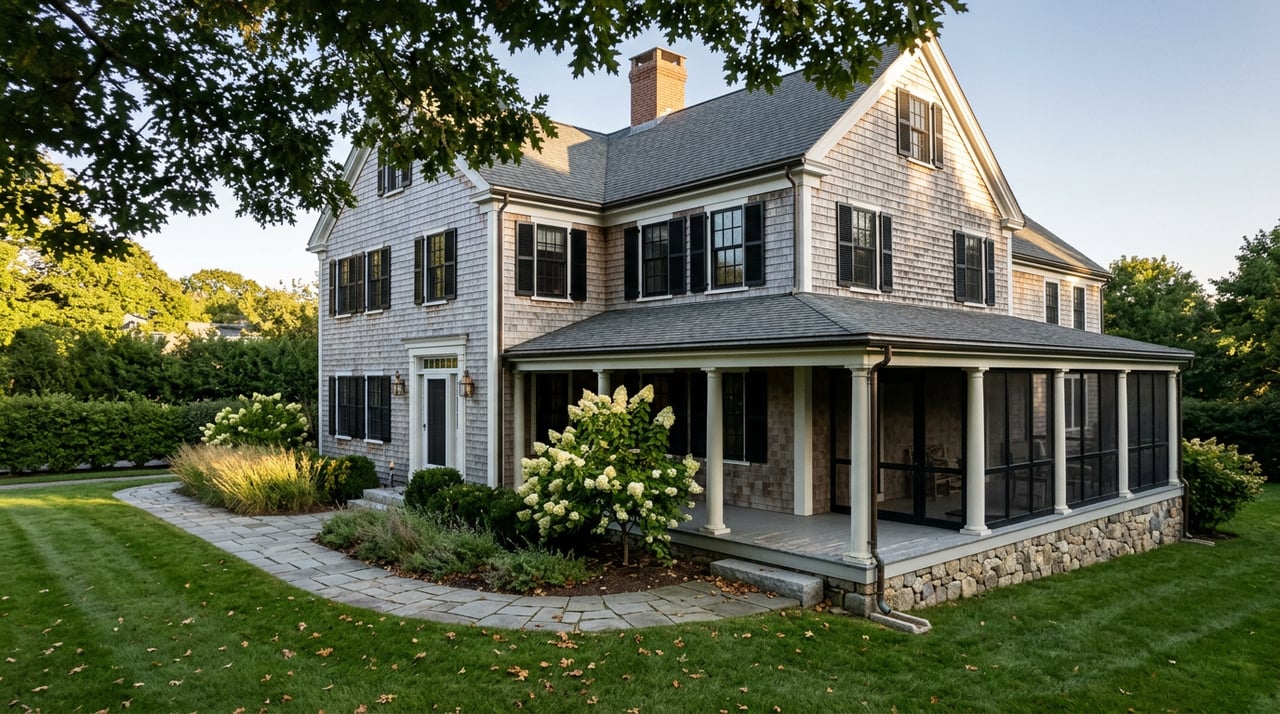
That tells you Falmouth remains primarily a single-family home market. For many buyers, that contributes to the town’s lower-density feel and helps explain why home searches here often center on detached properties with more yard space and a stronger relationship to the landscape.
The same source, along with the town fact sheet, suggests different development patterns across town. Sewer-era growth in the 1970s brought several condominium projects to the east side, while more recent decades saw additional single-family development spread into western parts of Falmouth.
Different Parts of Falmouth Feel Different
While Falmouth functions as one town, your day-to-day experience can vary depending on where you land. Based on the land-use and housing sources, you can think of the town in a few broad lifestyle patterns.
Foreside and Coastal Areas
The Foreside tends to connect most directly with the waterfront identity many buyers imagine. Here, the appeal often comes from shoreline access, proximity to Town Landing, and a setting shaped by Casco Bay and residential coastal roads.
Route 1 and Route 88 Areas
The Route 1 and Route 88 corridor tends to feel more connected to services, commuting routes, and somewhat denser housing patterns. For some buyers, this part of town offers a strong balance between convenience and the broader Falmouth lifestyle.
West Falmouth
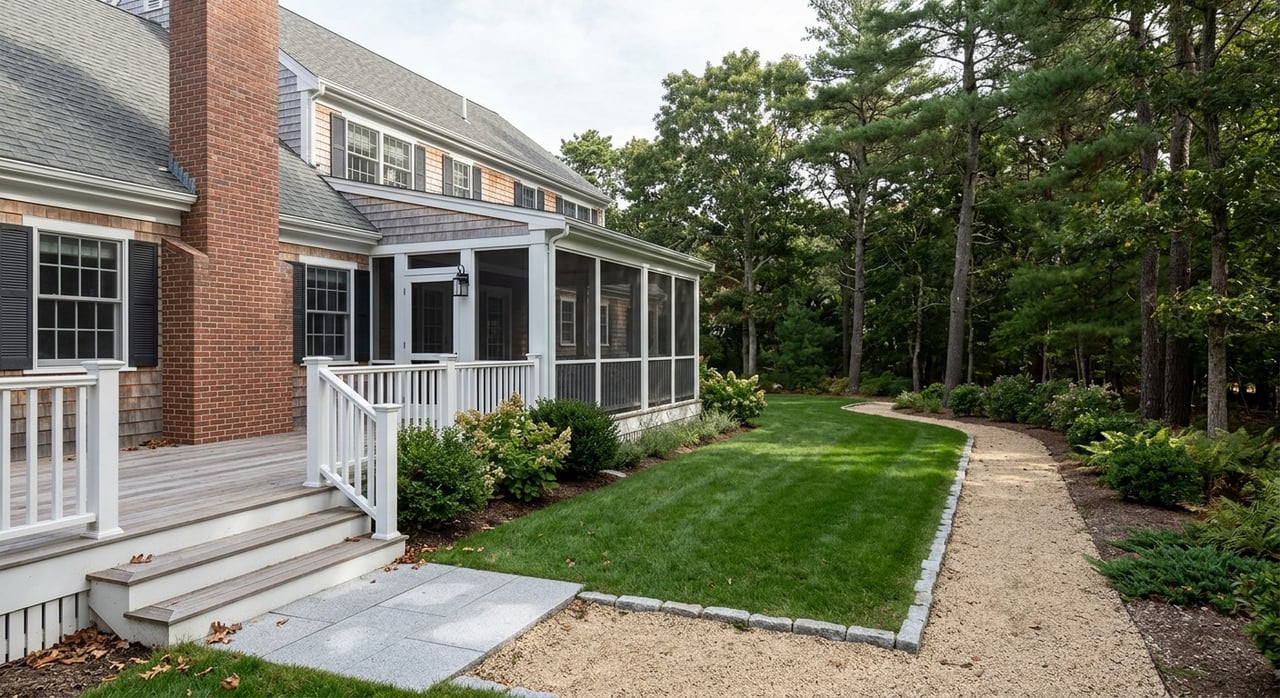
The western side of town often reads as more rural and lot-oriented, based on the town’s planning documents. If you are looking for more land, a wooded setting, or quicker access to interior trail systems, this part of Falmouth may feel especially appealing.
Who Falmouth May Suit Best
Falmouth can work well for a wide range of buyers, but it often stands out for people who want more than one lifestyle feature in the same place. You may find it especially compelling if you are looking for:
- A coastal town with real boating culture
- Access to trails, preserves, and year-round outdoor activity
- A primarily single-family housing market
- Local services and amenities close to home
- Convenient access to Portland and regional commuting routes
In other words, Falmouth is often less about one headline feature and more about the mix. It gives you water, woods, convenience, and connection in a way that feels cohesive.
Final Thoughts on Living in Falmouth
Falmouth offers a version of coastal Maine living that feels polished, practical, and deeply tied to the landscape. From the Foreside shoreline and Town Landing to inland forests, estuaries, and community parks, the town provides more variety than many buyers expect at first glance.
If you are considering a move to Falmouth or weighing how it compares with other southern Maine towns, working with an advisor who understands both the lifestyle and the housing patterns can make your search more focused and more productive. To explore homes and opportunities in Falmouth, you can request a private consultation with Elise Kiely.
FAQs
What is Falmouth, Maine known for?
- Falmouth is known for its coastal setting on Casco Bay, strong boating culture, residential shoreline, connected trail systems, and convenient access to Portland.
Does Falmouth, Maine have public water access?
- Yes. The town identifies public water access in places such as Town Landing and Gilsland Farm, with Town Landing offering a public beach and boat launch.
What outdoor activities can you enjoy in Falmouth, Maine?
- Falmouth offers hiking, biking, walking, birding, cross-country skiing, snowshoeing, horseback riding, snowmobiling, and boating across its parks, preserves, and waterfront areas.
What types of homes are common in Falmouth, Maine?
- According to the town’s 2024 comprehensive plan, Falmouth’s housing stock is dominated by single-family detached homes, with a smaller share of multifamily housing and rentals.
Is Falmouth, Maine convenient to Portland?
- Yes. Town sources note that access to I-295 and the Maine Turnpike has helped make Falmouth a well-connected residential community near Portland’s job market and services.