Eyeing a glass-front perch on the Eastern Promenade or a brick-and-beam loft near the Old Port, but not sure how fees, financing, or flood maps factor into the decision? You are not alone. Portland’s luxury condo and townhome market offers incredible lifestyle value, yet it also comes with rules, due diligence, and building-level variables that influence comfort and resale. This guide gives you clear context on pricing, neighborhoods, HOA mechanics, financing, and the must-have checklist to buy or sell with confidence. Let’s dive in.
Why Portland luxury stands out
Portland ranks among the country’s most in-demand luxury markets, with repeated national recognition for upper-tier activity. Recent national coverage highlights Portland’s continued run as a top luxury hot spot, pointing to strong demand for high-end homes compared with other metros. See the context in this national ranking overview of Portland’s luxury segment from Realtor.com and the Wall Street Journal partnership. Portland’s luxury ranking remains strong.
Price levels vary by data source, but a practical rule of thumb places the top 10 percent of listings around the mid seven figures, with multimillion-dollar condos active on the waterfront and Eastern Promenade. For a current snapshot of citywide pricing indicators, check Realtor.com’s Portland market overview. Local reporting also documents premium listings and new-build offerings along the harbor and East End, underscoring sustained top-tier demand. Recent local coverage of multimillion-dollar condos.
Inventory remains limited at the luxury level, which supports pricing in key micromarkets even when broader supply loosens. New projects and conversions arrive in small batches, so timing and preparation matter.
What luxury looks like by location
Waterfront mid and high-rise living
On the Eastern Promenade and along Commercial Street, you will find modern buildings with water views, secure entries, elevators, parking, and curated amenities. These conveniences often lead to higher monthly dues, especially when staff and utilities are included. Coverage of recent launches and premium listings gives a window into what to expect in these micro-areas. Local reporting on new and premium offerings.
Historic conversions and lofts
Old Port warehouses, merchant buildings, and West End townhouses convert beautifully into boutique condos and lofts. You get character, walkability, and unique layouts. You should also confirm the status of mechanical updates, windows, and insulation, and look closely at the project’s documents. Maine’s Condominium Act provides a framework for conversion buildings and resale disclosures, which helps you assess risks and rights. Review the governing chapter for context on how these projects are regulated. Maine Condominium Act, Title 33, Chapter 31.
Townhomes and rowhouses
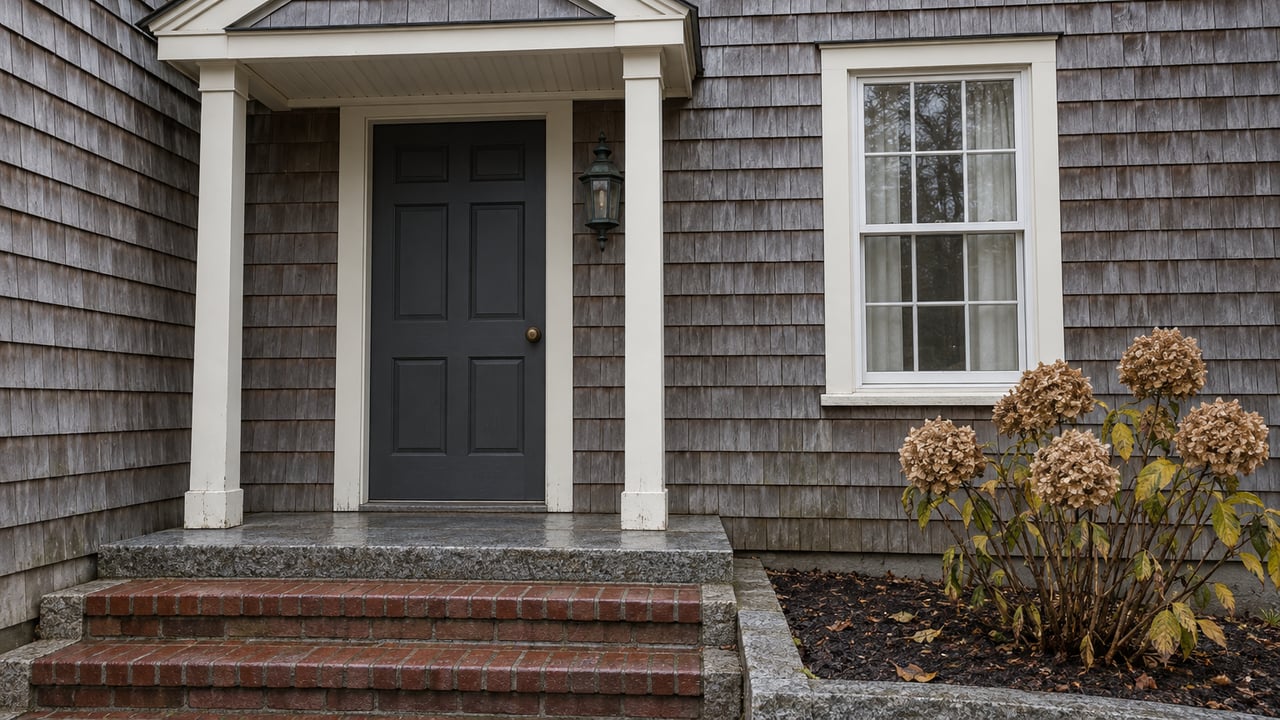
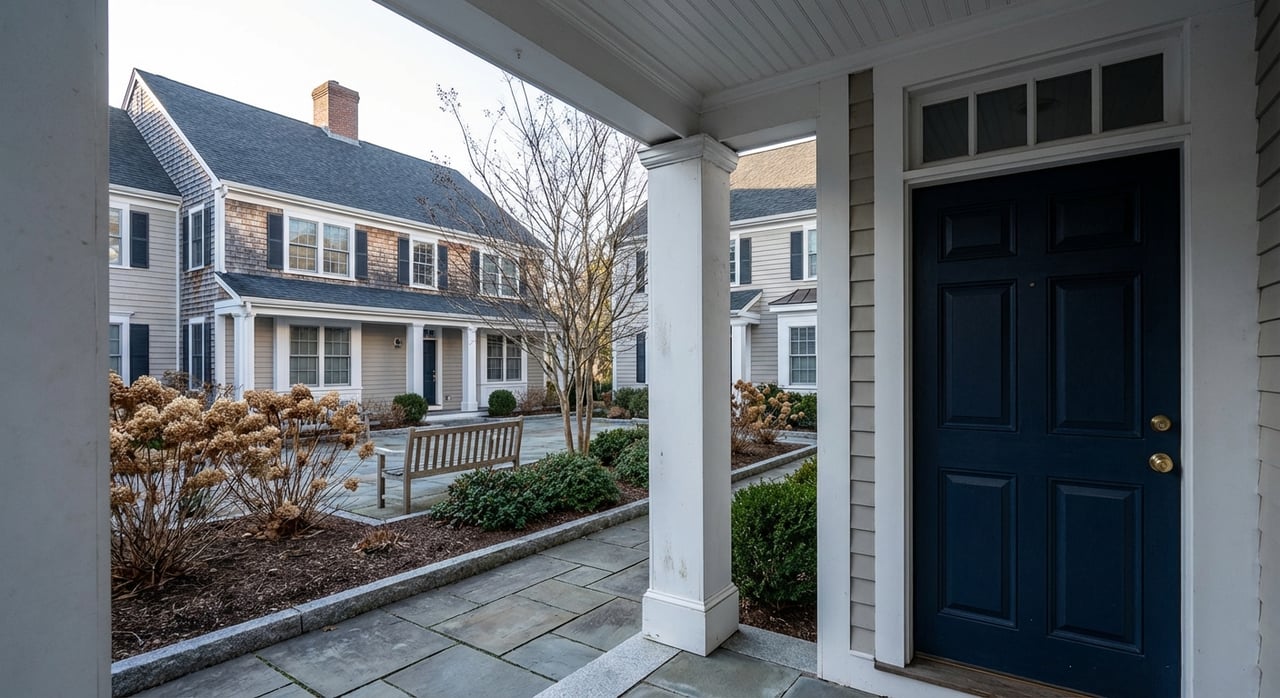
Across the peninsula and nearby neighborhoods, townhomes offer private entries and a single-family feel, with smaller associations that share only what is necessary. Dues structures can differ from elevator buildings, since you are not funding lifts or large common systems. Many buyers prefer this format for a quieter streetscape and more direct home access.
HOA fees explained
Monthly dues vary based on building age, amenity set, and included utilities. In Portland, recent examples show fees ranging from the mid hundreds per month to around $900 or more in premium, service-rich buildings. For a real-world snapshot, see line items on a representative high-rise listing at Portland House. Sample HOA fee and amenity mix.
You typically see these items covered:
- Building insurance for the structure, with owners carrying interior HO-6 coverage.
- Exterior maintenance, including roof, siding, windows, and common systems.
- Elevator service and inspections where applicable.
- Heat or hot water in some buildings, plus common-area utilities.
- Landscaping, snow removal for private drives, trash, and management.
- A contribution to capital reserves for future projects.
Amenities such as a concierge, clubrooms, guest suites, or valet can raise dues. Always check what is included and how reserves are funded. Line-by-line clarity helps you compare apples to apples.
Key Maine rules that protect you
Maine’s Condominium Act requires associations to keep defined records, including financials and meeting minutes, and to make them available for owner inspection. This is the foundation for a thorough resale review during your contingency. Required association records and access.
Associations also have a lien for unpaid assessments, and buyers can request a statement of unpaid assessments before closing. This step helps you avoid surprises at settlement. Assessment lien and payoff statement rules.
Financing and resale: warrantable vs non-warrantable
Condo financing depends on the building, not just your credit. Many lenders use Fannie Mae and Freddie Mac project standards. If a project fails those standards, financing options may narrow or become more expensive, which affects both your purchase and future resale. Lenders often rely on Fannie Mae’s project tools for formal reviews. How lenders evaluate condo projects.
Here are common building-level red flags that can trigger a full project review or limit loan choices:
- Low reserves or no recent reserve study.
- High owner delinquency on assessments.
- High investor concentration or rental caps that create uncertainty.
- Pending material litigation tied to building safety or structure.
- Excessive commercial space or single-entity ownership concentration.
For an overview of how these factors influence eligibility, read this guide to agency standards. Guide to Fannie Mae condo eligibility.
What to do next:
- Buyers: ask your lender early if the building is agency-eligible and whether a full project review is needed. Request association documents up front to keep your timeline on track.
- Sellers: order your resale package early, assemble insurance declarations, and be ready with reserve details. Proactive disclosure reduces friction and protects your price.
Waterfront, STRs, and insurance
Flood and sea-level exposure
Waterfront living commands a premium, yet it also warrants a deeper site review. Portland’s coastal setting increases sensitivity to storm surge and tidal flooding. Before you commit, layer FEMA flood designations with elevation data, request any available elevation certificates, and speak with your insurer about coverage and premium ranges. NOAA’s coastal datasets can help you understand inundation trends and site-level scenarios. NOAA coastal and sea-level resources.
Short-term rental rules
If you plan to rent, you must check two things. First, the City of Portland requires registration and sets operating standards. Second, your building’s CC&Rs may restrict rentals through caps or minimum lease terms, and those private rules control your use. Review both before you buy. Portland short-term rental registration and rules.
Insurance considerations
Ask for the association’s master policy declarations and recent renewal history. Look for flood coverage details, named deductibles, and what the master policy excludes so you can size your HO-6 policy correctly. Associations that face reserve shortfalls or repeat claims can see higher premiums, which may affect dues. Maine law supports your right to review these records during diligence. Owner access to association records.
A buyer’s due-diligence checklist
Use this list during your contingency window so you understand both the residence and the association:
- Resale or estoppel certificate. Confirm current dues, arrears, any transfer fees, and pending special assessments. Ask for the building’s rental occupancy percentage. Assessment payoff statement rules
- Current year budget and most recent financials. Review income, expenses, and cash flow for trends and sufficiency. Required records and financials
- Reserve study and reserve policy. If no study exists, treat the project as higher risk and consider that in your offer and inspection planning. How reserves affect eligibility
- Board and membership meeting minutes for 12 to 36 months. Look for assessments, litigation, insurance renewals, and any rule changes. Owner inspection rights
- Insurance package. Request the master policy, fidelity bond, and renewal letters to track coverage changes and premium trends. Association records access
- Governing documents. Read the CC&Rs, bylaws, and rules for rental, pet, alteration, and parking policies. Confirm how limited common elements such as parking or storage are allocated. Maine Condominium Act chapter
- Unit-specific items. Confirm permits for recent renovations, elevator service logs where relevant, and major equipment replacement history. For waterfront sites, request any elevation certificates or structural reports. NOAA coastal resources for context
- Lender pre-check. Ask your lender to flag any project eligibility concerns early and outline the review path they will use. How lenders evaluate condo projects
- Local regulatory check. Verify short-term rental registration needs and confirm property tax assumptions with recent bills. Portland STR requirements
Selling a luxury condo or townhome
If you are a seller, you win when your buyer has fewer questions. Order the resale package early, prepare a clean set of financials, minutes, and insurance documents, and highlight recent capital projects. Premium presentation still matters in condos and townhomes. Professional staging, photography, and a clear narrative about lifestyle and building management can widen your buyer pool and support your price.
Concierge support can also uncover off-market opportunities or position your unit to discreet buyers who value privacy and speed. If your building is mid-review or navigating an insurance renewal, communicate timelines and solutions with facts. Eliminate surprises, and you protect both days on market and negotiating leverage.
How to choose the right fit
- Start with lifestyle, then confirm numbers. Define your must-haves such as views, outdoor space, parking, or an elevator, then test the dues and reserves against your budget.
- Line up lender and documents early. Ask about project eligibility at pre-approval so you can move fast on the right unit.
- Read the rules. Rental caps, pet limits, and alteration rules can change your daily experience and long-term plans.
- Weigh flood and climate exposure. For waterfront buildings, inspect site data and insurance options before you write an offer.
- Compare townhome vs condo tradeoffs. Townhomes may offer lower shared system exposure and simpler governance, while full-service condos trade higher dues for convenience and amenities.
Ready to explore the best options with a calm, informed plan? Request a private consultation with Elise Kiely to discuss current listings, off-market opportunities, and a due-diligence strategy that fits your goals.
FAQs
How high are HOA fees in Portland luxury condos?
- Fees often run from the mid hundreds per month to around $900 or more in premium buildings, depending on amenities and whether utilities are included. Review a sample listing to see how line items stack up. Sample HOA snapshot
Can I get a mortgage on a Portland condo unit?
- Often yes in well-run projects. Lenders check the building against agency standards, and some projects require a full review. Ask your lender early about project eligibility and their review process. Fannie Mae project tools
Can I use my unit for short-term rentals in Portland?
- You must comply with the City of Portland’s registration rules, and your building’s CC&Rs may be stricter. Private association restrictions control your use, so review them carefully before you buy. Portland STR rules
Are waterfront condos a safe long-term bet?
- Waterfront locations attract strong demand and pricing, but you should weigh flood and sea-level exposure along with insurance availability. Review flood designations, request elevation data, and speak with insurers. NOAA coastal resources